PBS Documentary on Animal Reproduction: Why Sex?

Peacock

The colorful feathers of peacocks have inspired a lot of art, science, and even frustration. Charles Darwin had a notorious hate for peacocks; their feathers made no sense to him. Nowadays we have more insight on this evolutionary issue.

“We may conclude that…those males which are best able by their various charms to please or excite the female, are under ordinary circumstances accepted. If this be admitted, there is not much difficulty in understanding how male birds have gradually acquired their ornamental characters. In all ordinary cases, the male is so eager that he will accept any female, and does not, as far as we can judge, prefer one to the other.” — Charles Darwin

The following video–of about one hour of duration–begins with a very poignant explanation of the advantages of peacock feathers:

From a cardioid to a Jarvik: the human heart and its understanding across millenia.

Sacred Heart

Sacred Heart

Someone in class asked me a few days ago–I don’t remember who–why the heart symbol (known as a cardioid) does not resemble an actual heart. I do not know the exact answer to this question, but maybe some historical context on the cardioid might shed some light on the subject (via Lapham’s Quarterly):

The ♥ icon is used all over the world as a pictogram of the human heart, and as shorthand for affection: ♥ = heart = love. It is the most commonly recognised symbol on the planet after the cross and the crescent. But though we see it all the time, and teach its meaning to our children, its associations with the organ of circulation, and indeed love, are neither ancient nor instinctive. The ♥ shape has represented a variety of things across different cultures over time, ranging from genitalia to cosmic wisdom; the heart, meanwhile, was an enigmatic organ for most of history, whose biological function was not understood until 1628; and the emotion of love, if associated with flesh instead of mind or spirit, was equally likely to be linked to the eyes, the head, or the liver as to the heart. The story of how the ♥, the heart, and love came together is a romantic tale.

After more than 1,500 years, we can finally say that the heart has nothing to do with the cardioid–the heart symbol. From believing that a heart resembles a shape that does not account for what it actually looks like, we have actually mimicked the mechanics of a beating heart. Maybe this mechanic –cyborg like– heart is not as romantic as the ancient cardioid; but it has definitively improved the quality of life of many people:

"Graphic of the SynCardia temporary Total Artificial Heart beside a human heart with call-outs."

“Graphic of the SynCardia temporary Total Artificial Heart beside a human heart with call-outs.”

The i-Limb Ultra Revolution: an app controlled bionic hand.

"I have been able to hold my daughter's hand for the first time in five years since my accident." -- Jason Koger

“I have been able to hold my daughter’s hand for the first time in five years since my accident.” — Jason Koger

Do you need a bionic hand capable of using opposable thumbs; of picking up small things, and of doing a handshake?

There’s an app for that.

Livingston based (UK) Touch Bionics developed a prosthetic hand capable of doing 24 different types of grip patterns. And double amputee, Jason Koger, has become the first person in the world to get a pair of bionic hands that can be controlled by an iPhone app:


You can read more about this breakthrough here.

Rare (and vintage) Science Illustrations — via Brain Pickings

Image by Ernst Haeckel (1834 - 1919). Kunstformen der Natur (Art Forms of Nature). Asteridea is the subclass of echinoderms that includes sea stars. While slow moving, they are high-level predators and feed on other invertebrates, including mollusks and barnacles>

Image by Ernst Haeckel (1834 – 1919). Kunstformen der Natur (Art Forms of Nature).  “Asteridea is the subclass of echinoderms that includes sea stars. While slow moving, they are high-level predators and feed on other invertebrates, including mollusks and barnacles.”– Via Natural Histories: 500 Years of Rare Science Illustrations.

Beautifully creepy, 3D printed synthetic tissue.

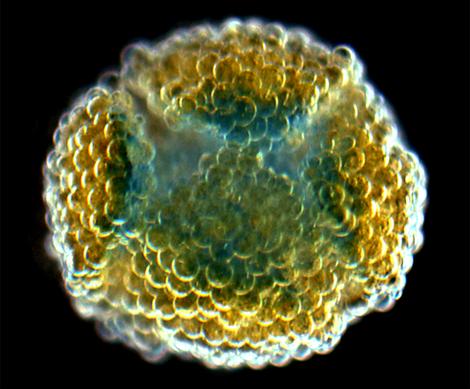
No es una gastrula. This is synthetic.

No es una gastrula. This is synthetic.

A custom-built programmable 3D printer can create materials with several of the properties of living tissues, Oxford University scientists have demonstrated”. — Via 3D printer can build synthetic tissues 

The following 8 second video shows this lifeless object behaving like a lotus flower–with yellow and blue hues:

Microscopy and Iphoneography.

Last week, in 10th grade Biology, we looked at epithelial tissue from plants and animals–epithelial tissue from onions and epithelial tissue from human cheeks. Our microscopes have a magnification of 4X (40 times the original size) at the lowest magnification, and 40X (400 times) at the highest. The following pictures were taken by two students using their smartphones (iPhone 4S and iPhone 5):

Cork Cells at 4X.

Cork Cells at 4X.

Onion (Epithelial tissue) at 4X.

Onion (Epithelial tissue) at 4X.

Nucleus Onion Eduardo

Onion cells–epithelial tissue–at 40X (Notice the well defined nuclei).

Human (Epithelial Cells - Cheek) I.

Human epithelial cells (Taken from the cheek) at 40 X

This Protein Could Change Biotech Forever – Forbes

Electrophoresis

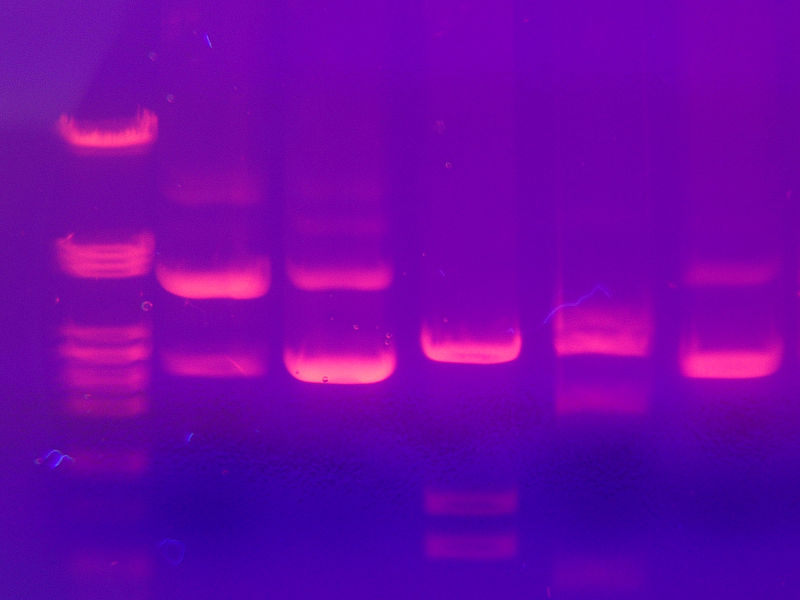
“Gel electrophoresis: 6 “DNA-tracks”. In the first row (left), DNA with known fragment sizes was used as a reference. Different bands indicate different fragment sizes (the smaller, the faster it travels, the lower it is in the image); different intensities indicate different concentrations (the brighter, the more DNA).” Via Wikipedia

New ways of manipulating genetic code–of writing, reading, copying, and editing the laguage of life–are cropping up almost on a daily basis. Our daily lives can change forever thanks to these advancements in biotechnology. It still remains to be seen if these changes are good or bad. I approach them with some reserve, with cautious optimism:

Bacteria, like human beings and almost every other living thing, keeps its genetic code in a library of DNA molecules. But to use that code, the organism copies the DNA into a related molecule called RNA. Cas9 can be paired with an RNA transcript to target a matching DNA sequence and cut it. That kills viruses, but scientists use it to cut DNA in exactly the place they want. The result is not so much like using a word processor as a biology lab version of what movie editors had to do back when they spliced together pieces of film.

This excerpt was taken from the article: This Protein Could Change Biotech Forever – Forbes.

Bone regeneration, sci-fi style.

Osteocytes are the basic unit of the skeleton system. They have a great capacity for regeneration. Can we accelerate this process artificially? Scientists are close to finding a way.

Osteocytes are the basic unit of the skeleton system. They have a great capacity for regeneration. Can we accelerate this process artificially? Scientists are close to finding a way.

Today we’ve begun Section 45.2: The Skeletal System. Bone is connective tissue that has a great capacity for self-regenaration. 3D printing is all the rage in the contemporary and technological cutting edge. Thus, it was just a matter of time before this budding technology was applied to anatomical purposes:

It’s 2020 and you have severe gum disease. It’s bad enough to require surgery to replace lost bone. So your doctor pulls up a computer program, makes a few calculations, and prints out a fresh piece of bone (technically a bone-like powder) on a 3-D inkjet printer. The printed bone, which is used as a scaffolding to allow fresh cells to grow, is implanted in your mouth. Eventually, it harmlessly dissolves as new bone tissue emerges from your cells.

The following video gives us a little bit more information about what this process is all about:

Eugenics and Biotechnology.

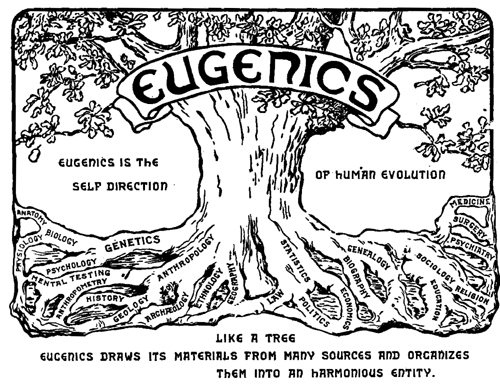
Eugenics was a proposed solution to all of mankind's troubles. Let's hope that it does not catch on again.

Eugenics was a proposed solution to all of mankind’s troubles. Let’s hope that it does not catch on again.

We’ve begun with Biotechnology, chapter 20 of our book. The best possible approach I could think of for beginning this chapter, was through a film which we concluded watching today: Gattaca, directed by Andrew Niccol in 1997. Biotechnology and many of its sociological and technical implications are suggested here — sci-fi as an alternative way to approach contemporary scientific issues. One of the protagonists of the film is named Eugene, which literally means ‘well born’ (Eu = good, true; Gene = born). Thus, not surprisingly, eugenics comes to mind. A short Wikipedia excerpt from the eugenics article:

The way eugenics was practiced in this period (19th and 20th centuries) involved “interventions”, which is a euphemistic name for the identification and classification of individuals and their families, including the poor, mentally ill, blind, deaf, developmentally disabled, promiscuous women, homosexuals and entire racial groups — such as the Roma and Jews — as “degenerate” or “unfit”; the segregation or institutionalisation of such individuals and groups, their sterilization, euthanasia, and in the extreme case of Nazi Germany, their mass extermination.[6]

Eugenics became an academic discipline at many colleges and universities, and received funding from many sources.[7] Three International Eugenics Conferences presented a global venue for eugenicists with meetings in 1912 in London, and in 1921 and 1932 in New York. Eugenic policies were first implemented in the early 1900s in the United States.[8] Later, in the 1920s and 30s, the eugenic policy of sterilizing certain mental patients was implemented in a variety of other countries, including Belgium,[9]Brazil,[10]Canada,[11] and Sweden,[12] among others. The scientific reputation of eugenics started to decline in the 1930s, a time when Ernst Rüdin used eugenics as a justification for the racial policies of Nazi Germany, and when proponents of eugenics among scientists and thinkers prompted a backlash in the public. Nevertheless, in Sweden the eugenics program continued until 1975.[12] — Parentheses added by me.

The following links* provide a context on where we are in terms of eugenics in the 21st century:

1) One of the articles deals with technicals achievements that are worth a look at if we want to better understand the impact of Biotechnology in te next few decades: Life expectancy linked to DNA length.

2) This second article–with a somewhat misleading and poorly chosen title–is an interview that chillingly reminds us of the dystopia presented in Niccol’s film: China is engineering genius babies.

*Reading is compulsory.

Animals of Reddit.

Reddit.com is referred to as the “front page of the internet”; meaning that anything worth a look at on the web ends up here, before it even reaches conventional media (newspapers, TV, etc.). Most of the memes that appear on your Facebook wall, or on your Twitter timeline, have their origins here. Reddit caters to the taste of almost everyone. There are sections (subreddits) that manage a lot of multimedia: videos, text (news articles), and photos. This large community has gained world wide attention; including the POTUS (President of The United States, Barack Obama). Thus, to have a proper idea of the role of the Internet during the first decade of the 21st Century, reddit cannot be ignored.

In this post I will share images taken from the subreddit of photos (r/pics). This 14 picture gallery will show pics of animals from various phyla: chordates (amphibians, birds, mammals, reptiles), cnidarians (jellyfish), molluks (squids), etc. Some of the images display rare behavioral traits of animals:
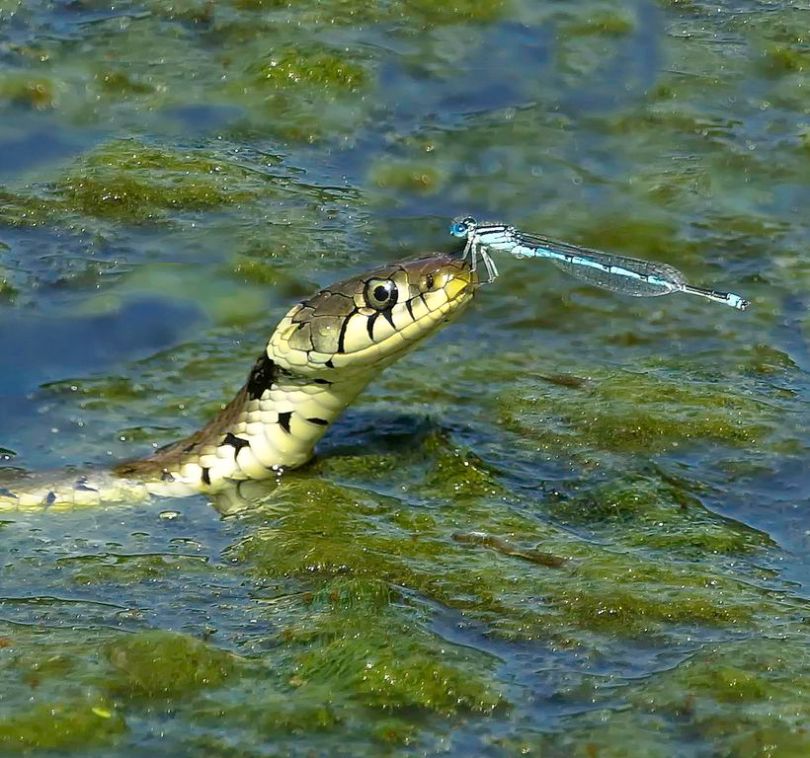
The Snake and The Dragonfly. Both animals are predators.

The Snake and The Dragonfly. Both animals are predators.

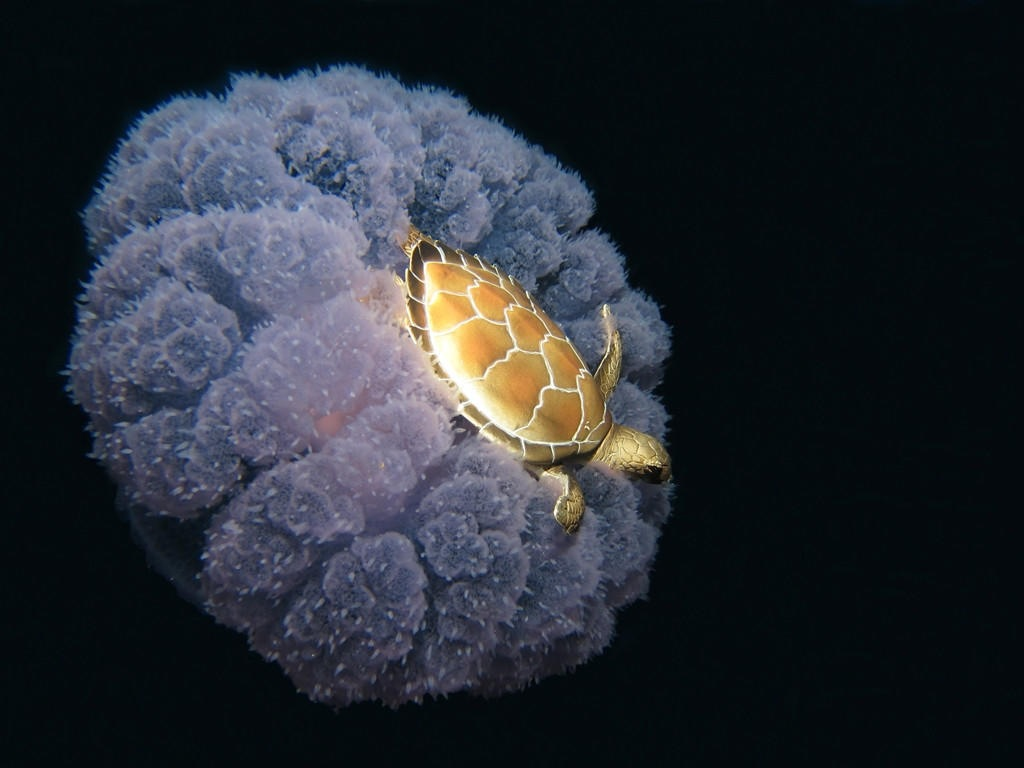
The Jellyfish (not an actual 'fish') and the Turtle. Who gets the better end of the deal?

The Jellyfish (not an actual ‘fish’) and the Turtle. Who gets the better end of the deal?

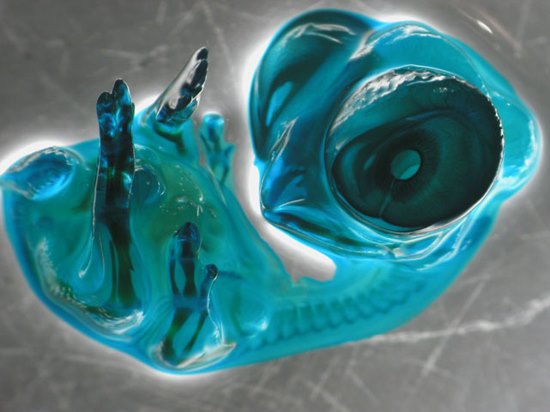
Stereomicroscopy of a chicken embryo (trust me, not rendered nor photoshopped).

Stereomicroscopy of a chicken embryo (trust me, not rendered nor photoshopped).

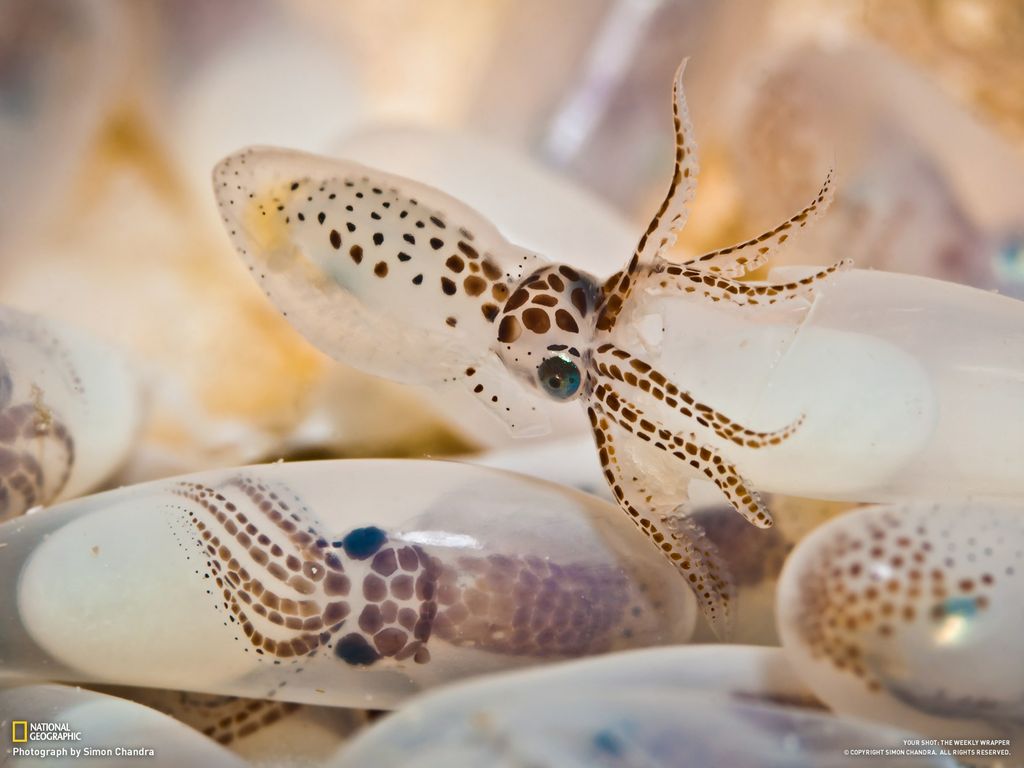
Squids are cephalopods--the geniuses of invertebrates.

Squids are cephalopods–the geniuses of invertebrates.

The regal ring snake is good at advertising. Its colors say: "stay away."

The regal ring snake is good at advertising. Its colors say: “stay away.”

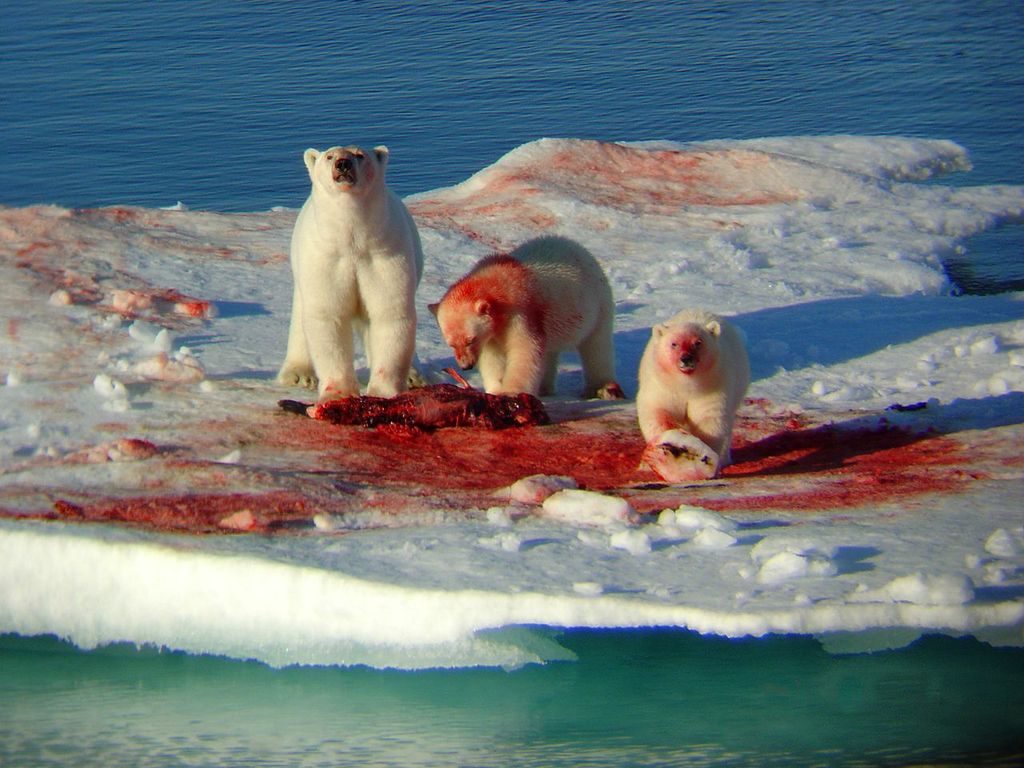
Polar bears at a family picnic.
Polar bears at a family picnic.

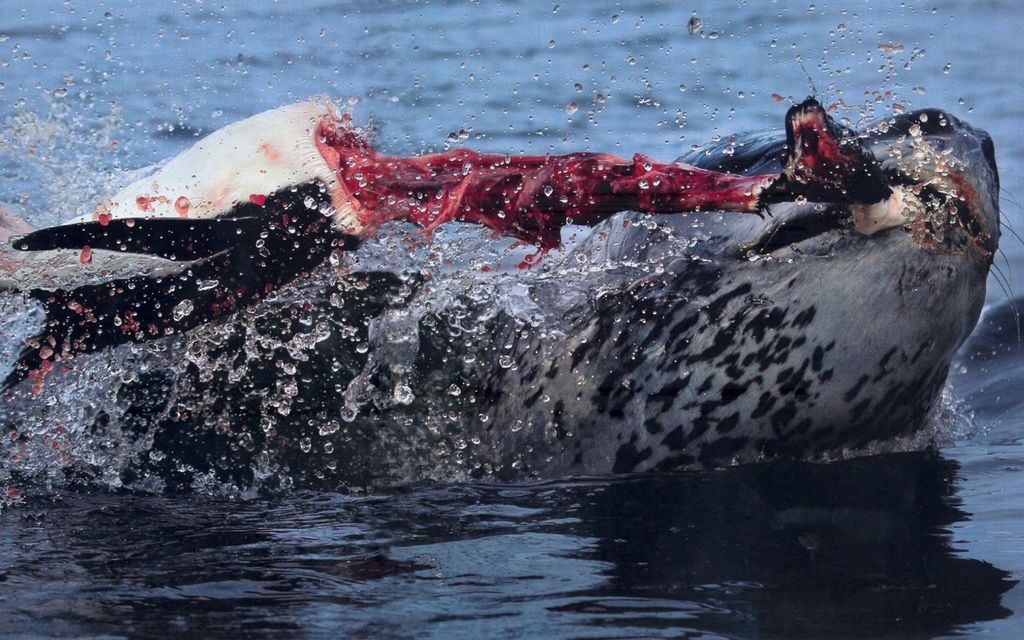
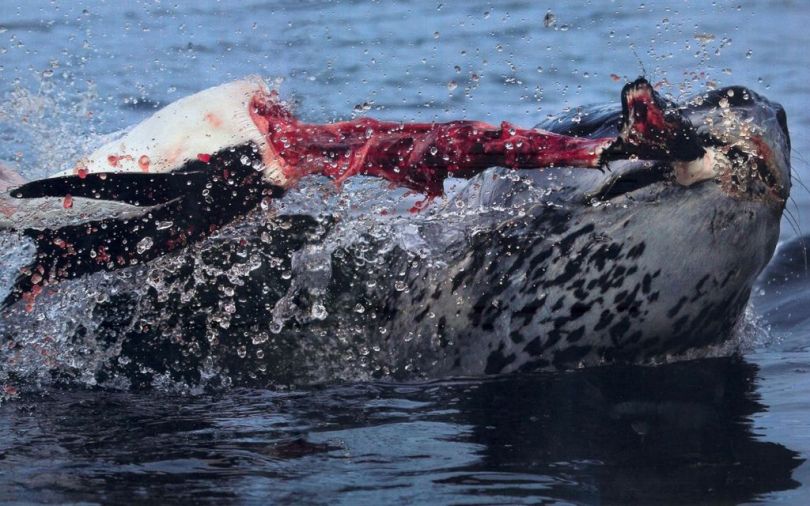
Sea lions are remarkable predator. They have huge canines and incredibly powerful jaws--as shown here.

Sea lions are remarkable predators. They have huge canines and incredibly powerful jaws–as shown here.
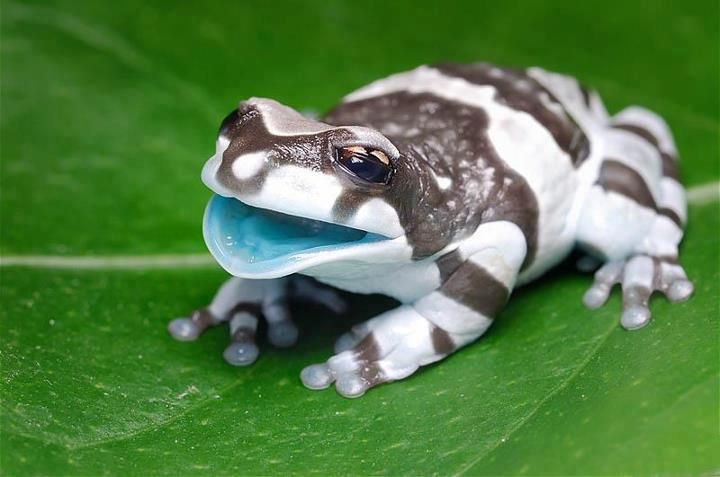
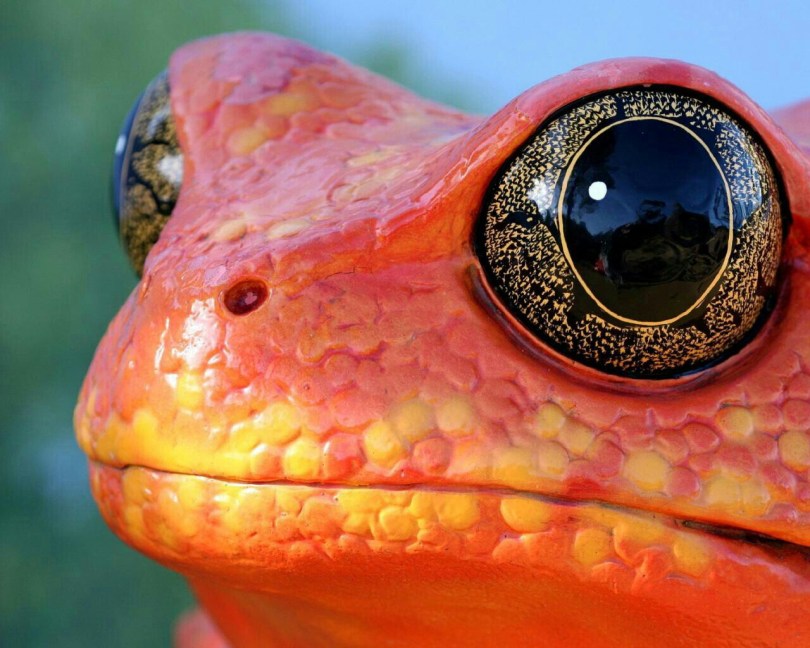
This is a Milk Frog; native to the Amazon Rainforest.

This is a Milk Frog; native to the Amazon Rainforest.

Defeated King. An epic story can be told just by reading the scars of this male African lion--needless to say, an alpha male.

Defeated King. An epic story can be told just by reading the scars of this male African lion–needless to say, an alpha male.

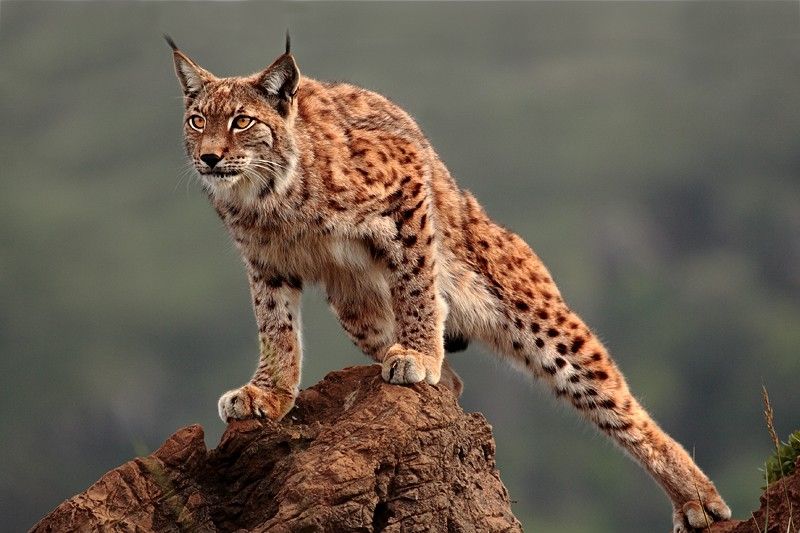
The lynx is an excellent predator. Their habitats include North America, Western, Central, and Eastern Europe, Western, Central, and Eastern Asia. Basically, most of the northern hemisphere of the planet.

The lynx is an excellent predator. Their habitats include North America; Western, Central, and Eastern Europe; Western, Central, and Eastern Asia. Basically, most of the northern hemisphere of the planet.

Gorillas are the next closest living relative to humans after the bonobo (pygmy chimp) and the common chimpanzee. The greatest of the great apes (humans included).
Gorillas are the next closest living relative to humans after the bonobo (pygmy chimp) and the common chimpanzee. The greatest of the great apes (humans included).

Eyes are amazing organs.

Eyes are amazing organs.

Owls can turn their necks up to 270 degrees. They have tubular eyes, shaped like binoculars. These are are great for long distance and hunting, but are stationary. They move their heads instead.

Owls can turn their necks up to 270 degrees. They have tubular eyes, shaped like binoculars. These are great for hunting–owls have great eyesight–but are stationary. To compensate for the lack of eye movement, owls move their heads instead.

The bumble bee bat, also known as Kitti's hog nosed bat, is a vulnerable species of bat that is native to Burma (Southeast Asia). This bat is probably  the world's smallest mammal.

The bumble bee bat, also known as Kitti’s hog nosed bat, is a vulnerable species of bat that is native to Burma (Southeast Asia). This bat is probably the world’s smallest mammal.

Many more images, just as remarkable as these ones, are uploaded daily. They give us a glimpse of the wonderful biodeversity in the animal kingdom–this biodiversity is another piece of evidence that accounts for the success of animals. Suggestions for the growth of this gallery are welcome. Don’t forget to put the hyperlink in the comment section of the post. I expect this gallery to grow with your input (remember to name the animal as well).