We’ve discussed the chemistry of life; how electronic transactions make it possible for matter to be called alive. This includes general concepts about Chemistry, water, hydrocarbons, and, more recently, hydrocarbon derivatives or functional groups. These functional groups, along with very cool interactions that, in many cases, function as lego pieces sticking together, can make large molecules–known as macromolecules–which are vital for life; they are known as, simply put, the molecules of life.
If we want to know about the molecules of life, we need to understand how they are formed; the mechanics of large molecule formation. Big molecules need some sort of automatic chain formation known as polymerization. Polymers, which can be millions of molecules long, occur thanks to dehydration and hydrolysis; these two reactions are enzyme mediated. Think about the REDOX reactions we’ve discussed earlier; acid/base reactions resemble polymer synthesis: we have hydroxyl and hydrogen cations working to add monomers, until we have a chain, known as a polymer.
The following images will account for each type of carbohydrate.
The first type of carbohydrate is nature’s fuel—
The picture above is the result of mankind, once again, imitating nature. For all animals, nutrition and nurture are very important. And bees are experts at this. So what better example to follow than the one set by our pollinating friends. Bees are capable of regurgitating a nectar that evaporates and then transformed into honey. This evaporated regurgitation tastes sweet. It is a disaccharide, made out of two monomers (sugars): fructose and glucose. Fuel.
There are different kinds of polysaccharides. Like apps on a smartphone. The second type is for energy storage, as opposed to the aforementioned polysaccharide which is for a quick energy fix.

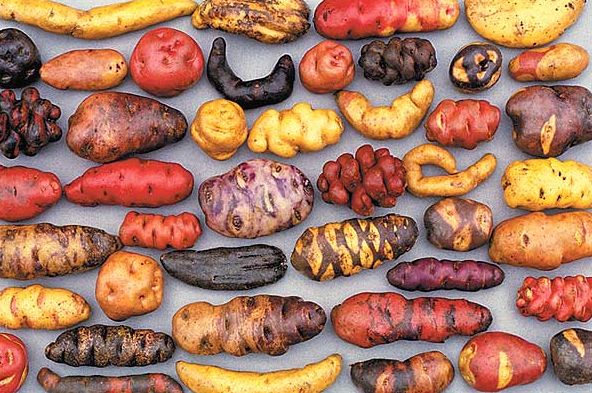
Potatoes saved the life of hundreds of thousands of Irish people during the XIX century; they’ve become part of the global diet, but, like many other foods with widespread use, potatoes come from America. This image shows a small sample of the 5,000 varieties of potatoes that exist in Peru.
Potatoes have a storage polysaccharide known as starch. They are great for reserve: glucose is made and stored in starch granules. Glycogen serves the same purpose, but its synthesis occurs in animals. Our livers are responsible for the synthesis of this giant polysaccharide.
Another cool application of polysaccharides is structure. For this we have a fibre like polysaccharide known as cellulose:
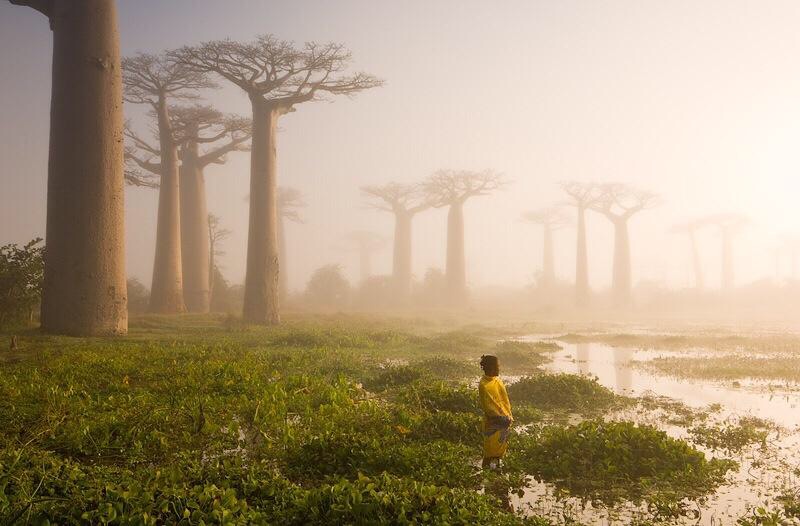
These are baobabs trees in a forest in Madagascar–part of Africa, and a huge island. Some of the trees are over 1,000 years old.
Cellulose is a structural monosaccharide, meaning that it is used as brick and mortar, mainly for the architecture of plants–from a blade of grass, to the bark of an old tree. Cellulose makes up the cell wall that surrounds plant cells.
Another structural polysaccharide, this one found in animals, is chitin:
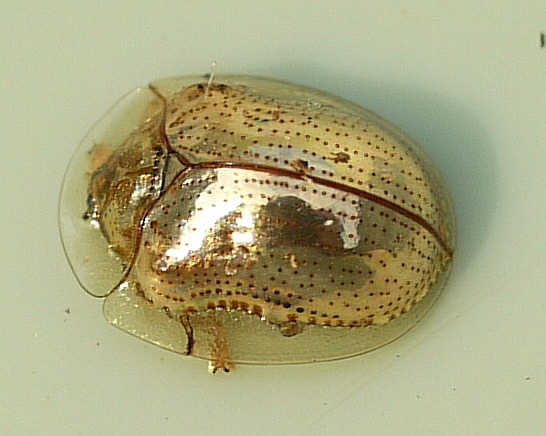
Charidotella sexpunctata. This arthropod has an exoskeleton made out of chitin
We’ve seen the mayor polysaccharides. Their functions:nurture, storage, and structure. Next class we’ll see other molecules of life, vital for the symphony of matter that refuses the chaos of the universe.


 The Hypertextual Lounge
You must be logged in to post a comment.