Animals of Reddit.

Reddit.com is referred to as the “front page of the internet”; meaning that anything worth a look at on the web ends up here, before it even reaches conventional media (newspapers, TV, etc.). Most of the memes that appear on your Facebook wall, or on your Twitter timeline, have their origins here. Reddit caters to the taste of almost everyone. There are sections (subreddits) that manage a lot of multimedia: videos, text (news articles), and photos. This large community has gained world wide attention; including the POTUS (President of The United States, Barack Obama). Thus, to have a proper idea of the role of the Internet during the first decade of the 21st Century, reddit cannot be ignored.

In this post I will share images taken from the subreddit of photos (r/pics). This 14 picture gallery will show pics of animals from various phyla: chordates (amphibians, birds, mammals, reptiles), cnidarians (jellyfish), molluks (squids), etc. Some of the images display rare behavioral traits of animals:

The Snake and The Dragonfly. Both animals are predators.
The Snake and The Dragonfly. Both animals are predators.

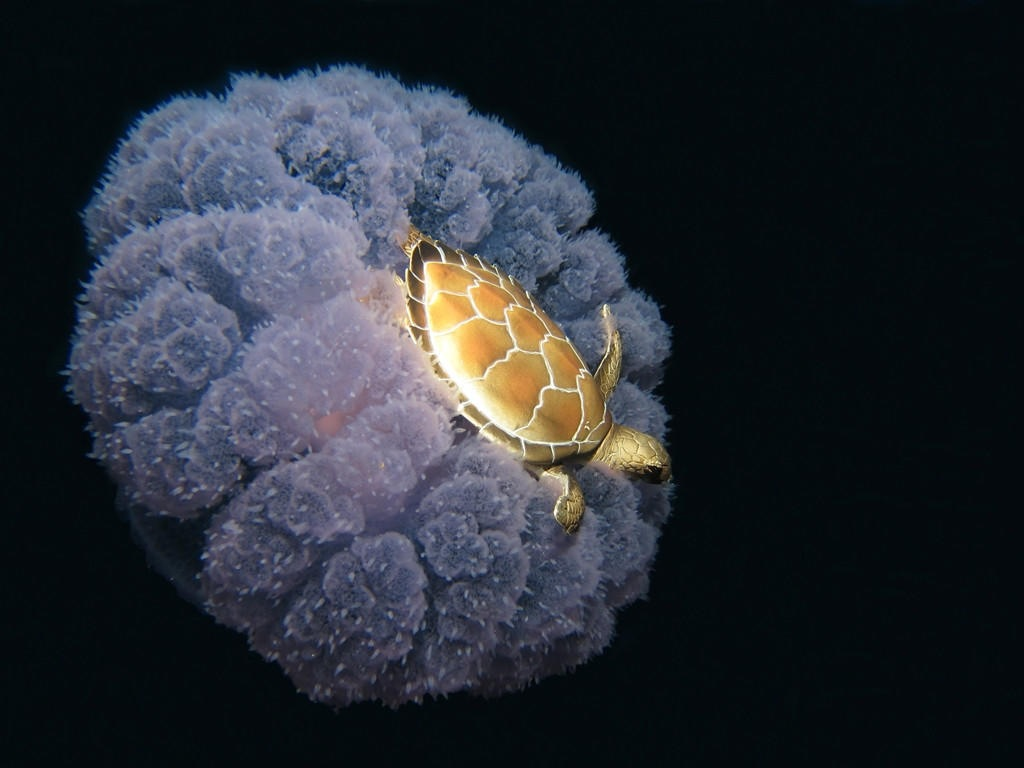
The Jellyfish (not an actual 'fish') and the Turtle. Who gets the better end of the deal?
The Jellyfish (not an actual ‘fish’) and the Turtle. Who gets the better end of the deal?

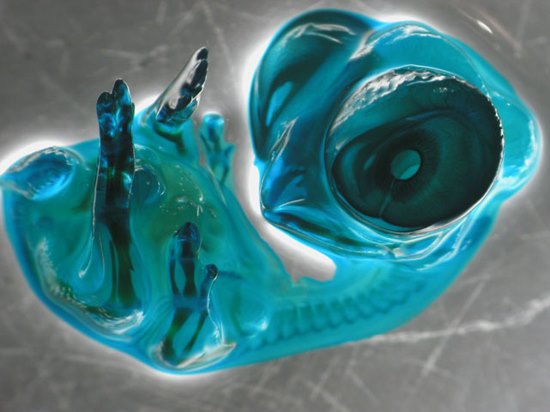
Stereomicroscopy of a chicken embryo (trust me, not rendered nor photoshopped).
Stereomicroscopy of a chicken embryo (trust me, not rendered nor photoshopped).

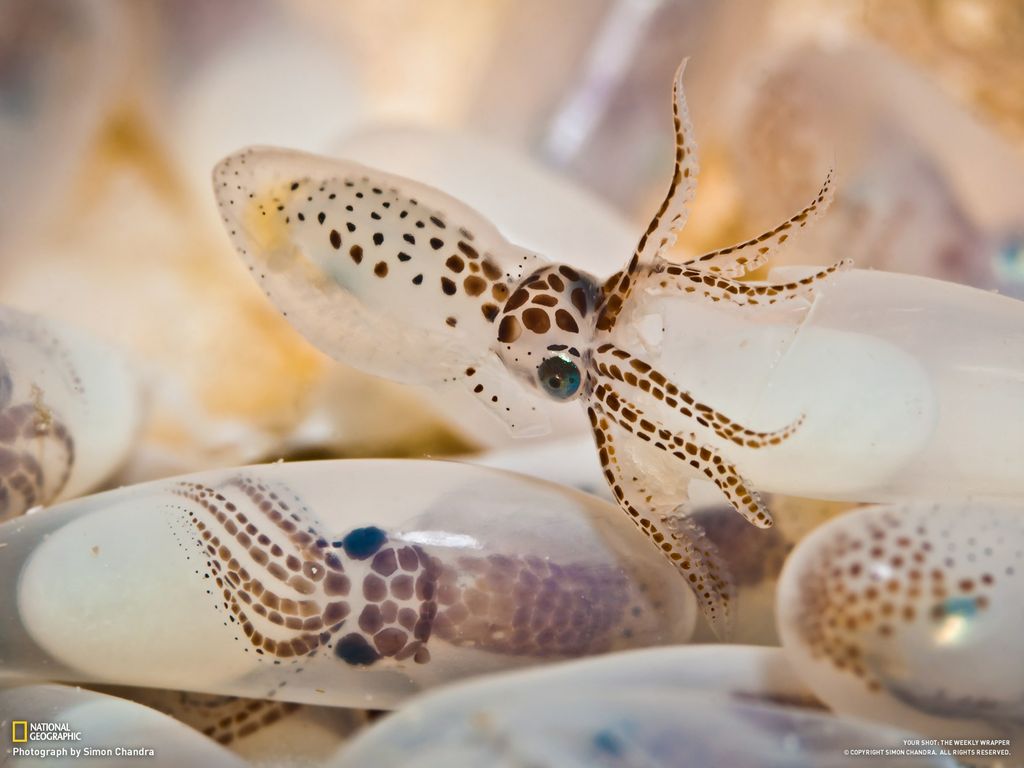
Squids are cephalopods--the geniuses of invertebrates.

Squids are cephalopods–the geniuses of invertebrates.

The regal ring snake is good at advertising. Its colors say: "stay away."

The regal ring snake is good at advertising. Its colors say: “stay away.”
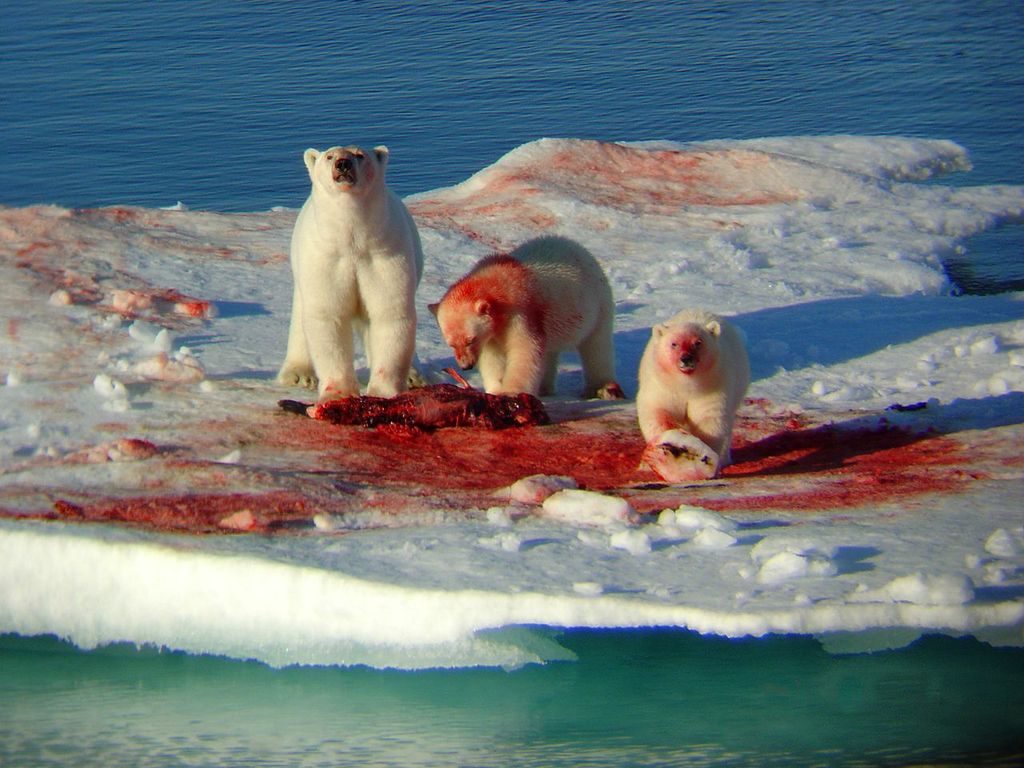
Polar bears at a family picnic.
Polar bears at a family picnic.

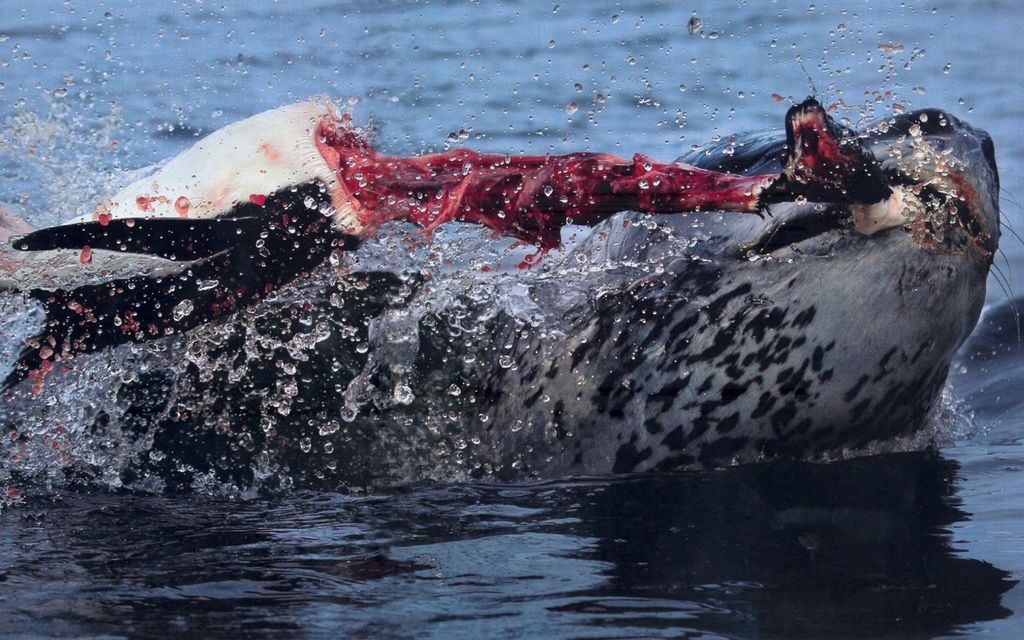
Sea lions are remarkable predator. They have huge canines and incredibly powerful jaws--as shown here.

Sea lions are remarkable predators. They have huge canines and incredibly powerful jaws–as shown here.

This is a Milk Frog; native to the Amazon Rainforest.

This is a Milk Frog; native to the Amazon Rainforest.

Defeated King. An epic story can be told just by reading the scars of this male African lion--needless to say, an alpha male.

Defeated King. An epic story can be told just by reading the scars of this male African lion–needless to say, an alpha male.
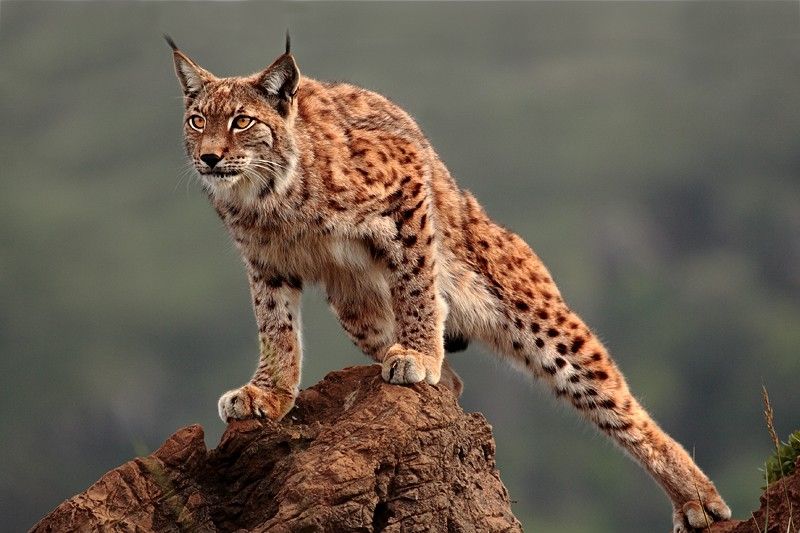
The lynx is an excellent predator. Their habitats include North America, Western, Central, and Eastern Europe, Western, Central, and Eastern Asia. Basically, most of the northern hemisphere of the planet.

The lynx is an excellent predator. Their habitats include North America; Western, Central, and Eastern Europe; Western, Central, and Eastern Asia. Basically, most of the northern hemisphere of the planet.

Gorillas are the next closest living relative to humans after the bonobo (pygmy chimp) and the common chimpanzee. The greatest of the great apes (humans included).

Gorillas are the next closest living relative to humans after the bonobo (pygmy chimp) and the common chimpanzee. The greatest of the great apes (humans included).

Eyes are amazing organs.

Eyes are amazing organs.

Owls can turn their necks up to 270 degrees. They have tubular eyes, shaped like binoculars. These are are great for long distance and hunting, but are stationary. They move their heads instead.

Owls can turn their necks up to 270 degrees. They have tubular eyes, shaped like binoculars. These are great for hunting–owls have great eyesight–but are stationary. To compensate for the lack of eye movement, owls move their heads instead.

The bumble bee bat, also known as Kitti's hog nosed bat, is a vulnerable species of bat that is native to Burma (Southeast Asia). This bat is probably  the world's smallest mammal.

The bumble bee bat, also known as Kitti’s hog nosed bat, is a vulnerable species of bat that is native to Burma (Southeast Asia). This bat is probably the world’s smallest mammal.

Many more images, just as remarkable as these ones, are uploaded daily. They give us a glimpse of the wonderful biodeversity in the animal kingdom–this biodiversity is another piece of evidence that accounts for the success of animals. Suggestions for the growth of this gallery are welcome. Don’t forget to put the hyperlink in the comment section of the post. I expect this gallery to grow with your input (remember to name the animal as well).

Chordates: We’re All Family | the Shape of Life

This short film, of about 15 minutes, accounts for the phylogenetic history of Chordates, a phylum to which us, humans, belong to. The video was taken from The Shape of Life: the story of the animal kingdom: 

Amphioxus, a worm like animal, is our ancestor with numerous common features including the precursor to the vertebrate backbone. Some chordates like tunicates, salps and larvaceans, have remained simple creatures without backbones.  But others like the vertebrates have four times as many genes as their simple chordate ancestors which allowed an explosion of new forms.  Fish evolved skulls and jaws and dominated the seas. Some fish evolved limb-like fins and crawled out onto land. Reptiles (lizards, snakes) and dinosaurs flourished on land. When the dinosaurs went extinct 65 million years ago, mammals inherited the land. Humans are most closely related to the great apes.

Introduction to Animals

We can move on, at last, from Cellular Respiration. Today we welcome a virtual respite from the intricacies of the cell. We’ve covered many things that account for what cells–the basic unit of life–are. Nevertheless, we cannot talk about biology without actually seeing the result of the pathways and structures we’ve discussed in the past months. These pathways, tissues, and biochemical structures, have many wonderful arrangements–organizations that give rise to organisms of elegant simplicity (sponges), and impressive complexity (humans).

This respite comes in the form of a new chapter: Chapter 32: Introduction to Animals. Why do we study animals? Imagine an architect that only knows about materials, but has never seen an actual building; he or she does not know that marble, a material studied in detail, can be used to build structures like roman columns, or art pieces like Michelangelo’s Moses. Right now, at this stage of your Bio course, you are an architect that knows (or should know) all about marble, but has never seen a marble creation; you have heard everything there is to know about the cell–its stuctures, behaviors, biochemical pathways, etc.–but know nothing about one of the most impressive results of what cells can do.

Animals are the result of very complex arrangement of cells–forming tissues, organs, systems, etc. Also, they have been a very significant part of global human culture for millennia; another reason why animals should be studied. The following picture, taken from this source, shows a very dramatic and impressive example of an animal:

"A man stands in front of his fattened sacrificial pig as part of the Hakka Yimin Festival in Hsinchu, Taiwan on August 29, 2010. During the festival, believers worship ancestors who fought for the government against rebels during ancient times to protect their homeland. After their deaths, locals started sacrificing pigs as offerings during the annual Hungry Ghost festival to commemorate their bravery. The sacrifice begins with a competition for the fattest pig in town and the family that offers the fattest pig is believed to receive a great blessing." Image by Nicky Loh.

“A man stands in front of his fattened sacrificial pig as part of the Hakka Yimin Festival in Hsinchu, Taiwan on August 29, 2010. During the festival, believers worship ancestors who fought for the government against rebels during ancient times to protect their homeland. After their deaths, locals started sacrificing pigs as offerings during the annual Hungry Ghost festival to commemorate their bravery. The sacrifice begins with a competition for the fattest pig in town and the family that offers the fattest pig is believed to receive a great blessing.” Image by Nicky Loh.

Oxidate It Or Love It / Electron to the Next One

We’ve reached “El Cuco” of High School Bio. Cellular Respiration–especially the stage that follows Glycolysis: Aerobic Respiration, in which chemiosmosis and the ETC (Electron Transport Chain) play a very important role–is a very complex set of biochemical reactions. In order to make energy from glucose, a lot has to happen; and all of this can be quite overwhelming:

This will not appear on your test.

This will not appear on your test.

The Krebs cycle can be tedious, difficult and boring; and I am well aware that my efforts on this blog do not guarantee that we will have a blast discussing this biohemical pathway. But I want to share this music video (via The Rhymebosome); maybe somethings about the Krebs cycle can actually be worthwhile:

Their best intentions are clear but a mouthful of complex words remains inevitable. Fortunately, Pulitzer Prize science writer, Jonathan Weiner, comes to the rescue with these two parragraphs (via npr.org):

To power all of its molecular machinery … each cell contains anywhere from a few hundred to a few thousand mitochondria. And every one of those mitochondria contains a large collection of rotary motors. With every breath you take, you set off a long series of actions and chemical reactions that make those rotary motors spin around and around in every living cell of your body like zillions of turbines, windmill vanes, or airplane propellers. These rotary motors turn out a concentrated energy food, an energy-rich molecule called adenosine triphosphate, or ATP.

And this ATP, more than any other molecule in the cellular inventory, makes all the rest of the machines go. This is the fuel of all our mortal engines. Without ATP it would be useless for us to breathe in air, to drink and to eat. Without ATP, even the smallest piece of action in our bodies would slow down and stop.

The Meme

The meme is a very controversial and debated concept. Many use it daily; many have something to say about it; but few people actually know what the word meme–a “meme” in itself–is actually about. Some background, in the form of an etymological exercise, is necessary.

The word meme comes from the greek mimeisthai, which means “to imitate”. “Meme” has gone through several changes over the centuries; but it was during the mid seventies (of the twentieth century) that the word grabbed attention from the mainstream–mainly through a book, now considered a classic, by biologist Richard Dawkins:

We need a name for the new replicator, a noun that conveys the idea of a unit of cultural transmission, or a unit of imitation. ‘Mimeme’ comes from a suitable Greek root, but I want a monosyllable that sounds a bit like ‘gene’. I hope my classicist friends will forgive me if I abbreviate mimeme to meme. If it is any consolation, it could alternatively be thought of as being related to ‘memory’, or to the French word même. It should be pronounced to rhyme with ‘cream’. [Richard Dawkins, “The Selfish Gene,” 1976]

Language, which is a very important–if not the most important–part of culture, is a very biological phenomenon; it grows, mutates, changes, disseminates, replicates, responds to environmental stess, etc. So, it should not be surprising at all that a biologist had something to say about culture.

While a geneticist talks about a gene in regards to the DNA molecule (as single unit of biological information), a modern anthropologist may refer to meme as the unit of cultural information. Basically, every word uttered is a meme of sorts. They are repeated, preserved, developed, discarded, trendy, etc.; and in this process, languages are made.

When trying to make sense of what ‘meme’ entails, its current use–which is not necessarily what Richard Dawkins intended–has to be put into the context of the web. Nowadays, ‘meme’ cannot be thought of without talking about grumpy cats, meme generators, etc. They are bits and pieces of cultural information that jump from Facebook wall to Facebook wall; from Twitter feed to Twitter feed; ideas that are funny and, more often than not, poignant. They are transmitted. And if there is a tool that best serves this quality (transmission), that tool is the internet.

I’ve chosen a few memes that I believe are internet classics. As with every piece of cultural data, memes deserve a closer look:

Massive protest in 2011.

Massive protest in 2011.

Internet censorship is still a hot button issue.

Internet censorship is still a hot button issue.

Humor has always been a good vehicle used to address issues that affect our daily lives. They give us this “Ah, ha!” moment, what is known as catharsis, making us understand things in ways that conventional mediums (newspaper articles, TV news) fail to do.

Most memes have funny origins, and it is enlightening to search for these moments now frozen in time. Such is the case of scientist Neil de Grasse Tyson, one of the most important science commentators since Carl Sagan:

Memes are units of cultural information that spread; and in the internet age, they mutate and spread with astonishing speed. They are a good way to have a pulse on current issues (politics, religion, art, science, etc.). Maybe the current meme is not what Dawkins reffered to, but it does spread in exponential numbers. And this is something worth checking out; we have to think about the web and how it affects the way we interact with each other and our surroundings–and to understand the significance of a meme is a good first step.

The Alcoholics of the Animal World | Surprising Science

The Smithsonian .com has a blog called Surprising Science. Here they post weird and exciting news about science–the natural world is awesome and, more often than not, strange and weird. Today we begin Chapter 7; Section 1: Glycolysis and Fermentation. I found a very pertinent post for the current chapter titled: The Alcoholics of the Animal World | Surprising Science:

“The moose likely got drunk eating apples fermenting on the ground and got stuck in the tree trying to get fresh fruit. “Drunken elk are common in Sweden during the autumn season when there are plenty of apples lying around on the ground and hanging from branches in Swedish gardens,” The Local states.”

This unfortunate and, admittedly, funny event is uncommon but not entirely rare. Who knew that apples could be lethal.


LUX AETERNA (Vila, 2013)

The following video is a 3D animation, in short film form, by the spanish artist Cristóbal Vila. It tells the epic story of light; how it reaches our planet after a journey that spans the cosmos. Via io9 and LUX AETERNA on Vimeo

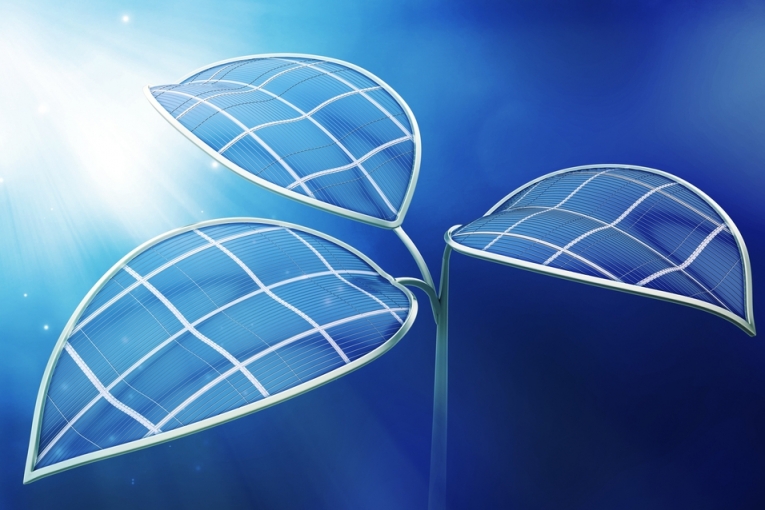
The artificial leaf: A scientific Holy Grail.

Scientists have been trying to replicate photosynthesis for decades.

Scientists have been trying to replicate photosynthesis for decades.

If we understand the biochemical pathway of photosynthesis, we can have a better chance to ensure our survival as a species. Scientists have been trying to understand this process for decades. An MIT professor, Dr. Daniel Nocera, claimed–in 2011–that he succesfully achieved one of the Holy Grails of science: to make a sustainable artificial leaf. The following excerpt is part of a press release that explains how this claimed artificial leaf–the size of a “poker card”–was achieved:

“We believe we have done it. The artificial leaf shows particular promise as an inexpensive source of electricity for homes of the poor in developing countries. Our goal is to make each home its own power station,” he said. “One can envision villages in India and Africa not long from now purchasing an affordable basic power system based on this technology.”

The rest of the press release can be found here: MIT professor touts first ‘practical’ artificial leaf, signs deal with Tata to show up real plants. (via Engadget).

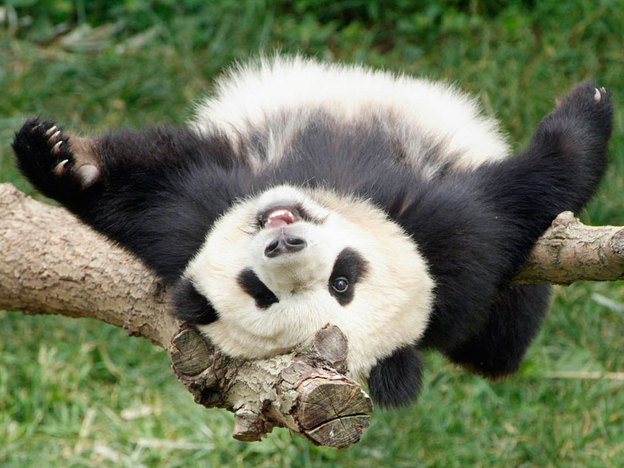
“Fed Ex Panda Express”

On Tai Shan — via NPR: “He’s not the first panda to be FedExed; the company brought Tai Shan’s parents, Mei Xiang and Tian Tian, to the United States in 2000. Nor will he be traveling alone — Mei Lan, a 3-year-old panda from Atlanta, will be sharing the flight.”

Introduction: photo essay and commentary on digital literacy

The word “blog” comes from the portmanteau “web” and “log”; thus we have “blog.” A blog is a new mutation, an update to writing; it is also a webpage. Humanity has been writing for thousands of years–on different surfaces: rock (walls), papyri, and dried stomachs of mammals–; now we can write with 0’s and 1’s–binary code.

Gutenberg’s press, and the invention of the mechanical movable type, allowed for education (and writing) to democratize. It broke down the walls of monasteries and cloisters. Almost six centuries after this important invention–in the late 20th century, 25 years ago–, the Internet made its first popular appearance. Not too many years passed before it was referred to as “Gutenberg 2.0.” The dawn of the 21st century has seen the inception–and its actual embryological stages–of a new way of consuming and producing information.

Unfortunately, and reasonably so, blogs still need a lot of justification. The justification for this blog will be found on its weekly posts. This space cannot be considered as something finite–the internet promises to have no end: an ever flowing, always nourishing Nile of information. Blogs cannot escape this increasingly dynamic context.

What is The Hypertextual Lounge about?

New things will be added every week with the help of members from a Cupeyville School club: The Hypertextual Lounge Club. These students, guided and approved by me, will upload educational texts (hypertexts or digital multimedia) for every member of the Cupeyville community: teachers, parents, and students:

“The zone of reflective capacity is constructed through the interaction between participants engaged in a common activity and expands when it is mediated by positive interactions with other participants, exactly along the same lines as the ZPD (Zone of Proximal Development, Vygotsky), as Wells (1999) described. It is possible to measure the learner’s ZPD as an individual trait showing certain stability across instructional settings. The second perspective draws on work on interactive formative assessment integrated in classroom instruction. In this approach, assessment intervenes in the ZPD created by a learner’s on-going interactions with a given instructional setting.” (Allal, Ducrey 2000).

The mission of The Hypertextual Lounge (THL) is to share multimedia relevant to what students from high school talk, learn, and, most importantly, ignore. The main objective is to build a virtual community through the sharing of texts, images, video, music, pedagogical resources, etc., that can be of use to anyone that dares call himself (or herself) a student (or a teacher).

As a museum curator organizes an exhibit with a conceptual thread in mind, The Hypertextual Lounge will ‘curate’ the Internet–framed in the pedagogical context of responsible and significant media consumption.

What have the students done in the club? What will they do?

Even when bloggers like Ariana Huffington, Cory Doctorow, and Yoani Sánchez are widely popular around the world, many people don’t know what a blog–or the Internet–can do. That’s the best case scenario. Unfortunately, and this is a common occurrence all over the world, many believe that blogs are just cesspools of narcissistic detritus. It is true that many of them are nothing more than a digital iteration of what we’ve come to accept as “normal” in traditional media outlets (TV, Radio, Newspapers, etc.), others are a bit more quixotic–they aspire to be something more (a few examples are: io9, Open Culture, Brain Pickings, Puerto Rico Indie, El Ñame, and many others).

During these past few months, I’ve shared hypertexts (here, here, here, here, and here) with the club members; all of them shown with the following purpose: to modulate their erroneous perception of the Internet, and to help them thread their own philosophy about digital literacy. Critical thinking, interdisciplinary approaches, technical skills, etc., are all part of what club members will get out of this experience; tools that will be helpful for their academic and professional experiences as well.

This virtual community–in which club members will play a very important role by promoting the blog, by giving technical assistance, by uploading new posts every week, and by browsing the web (reading skills)–will have The Hypertextual Lounge as its common space: a medium that allows the reader to interact with the author.

The following is a photo essay that serves as a taste of what’s to come:

Mushrooms through my iPhone camera.

Mushrooms are not plants.

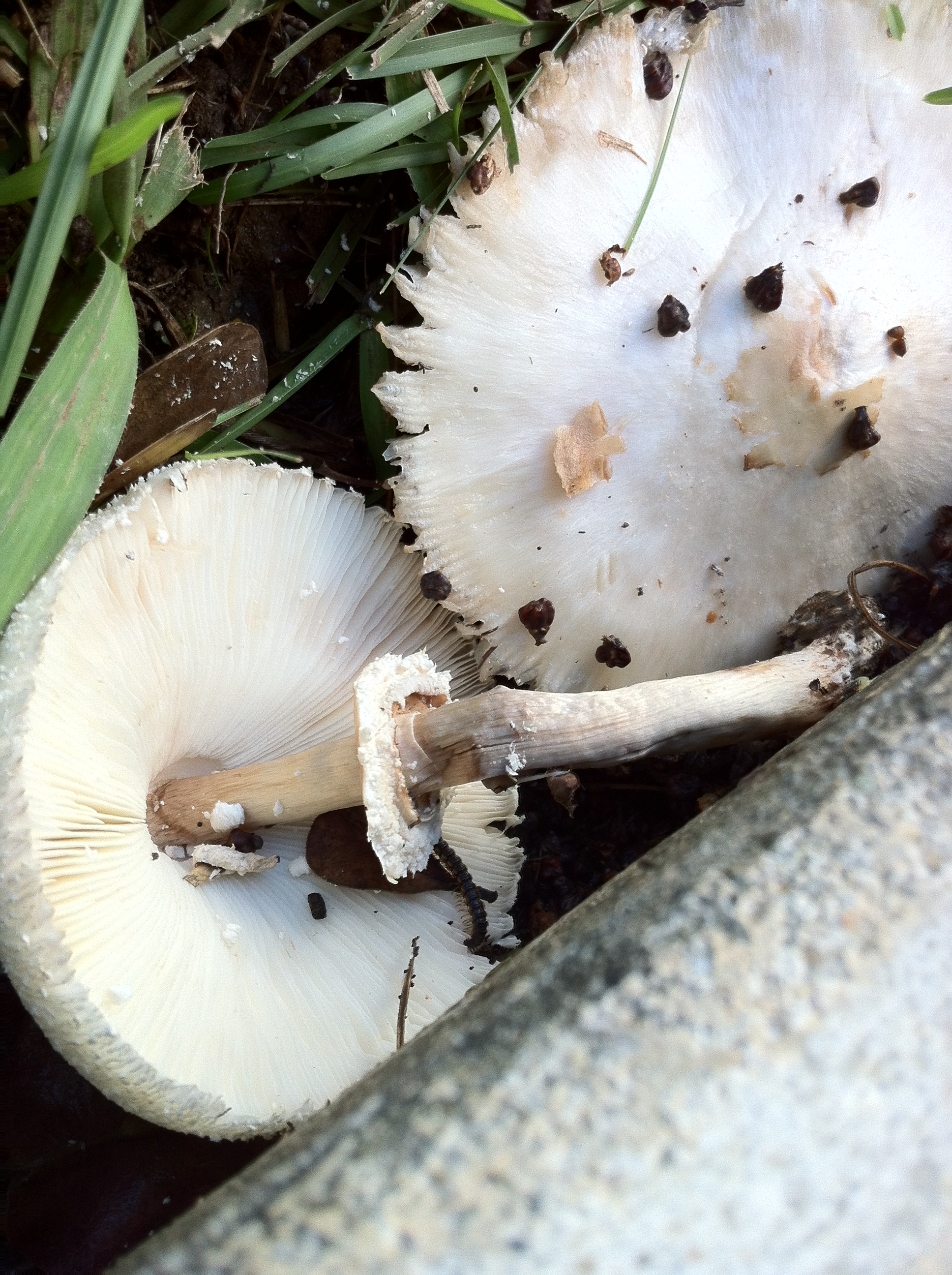
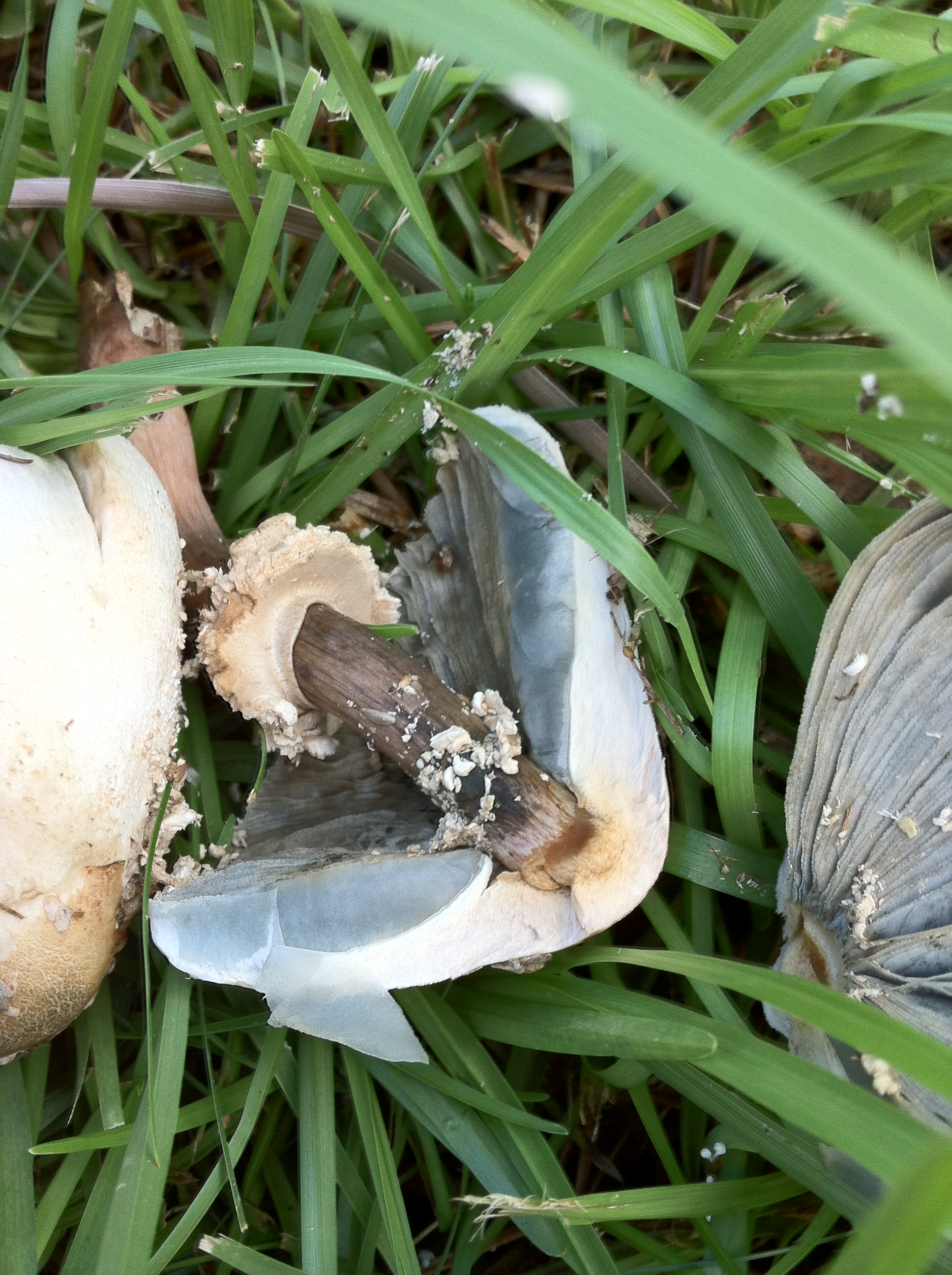
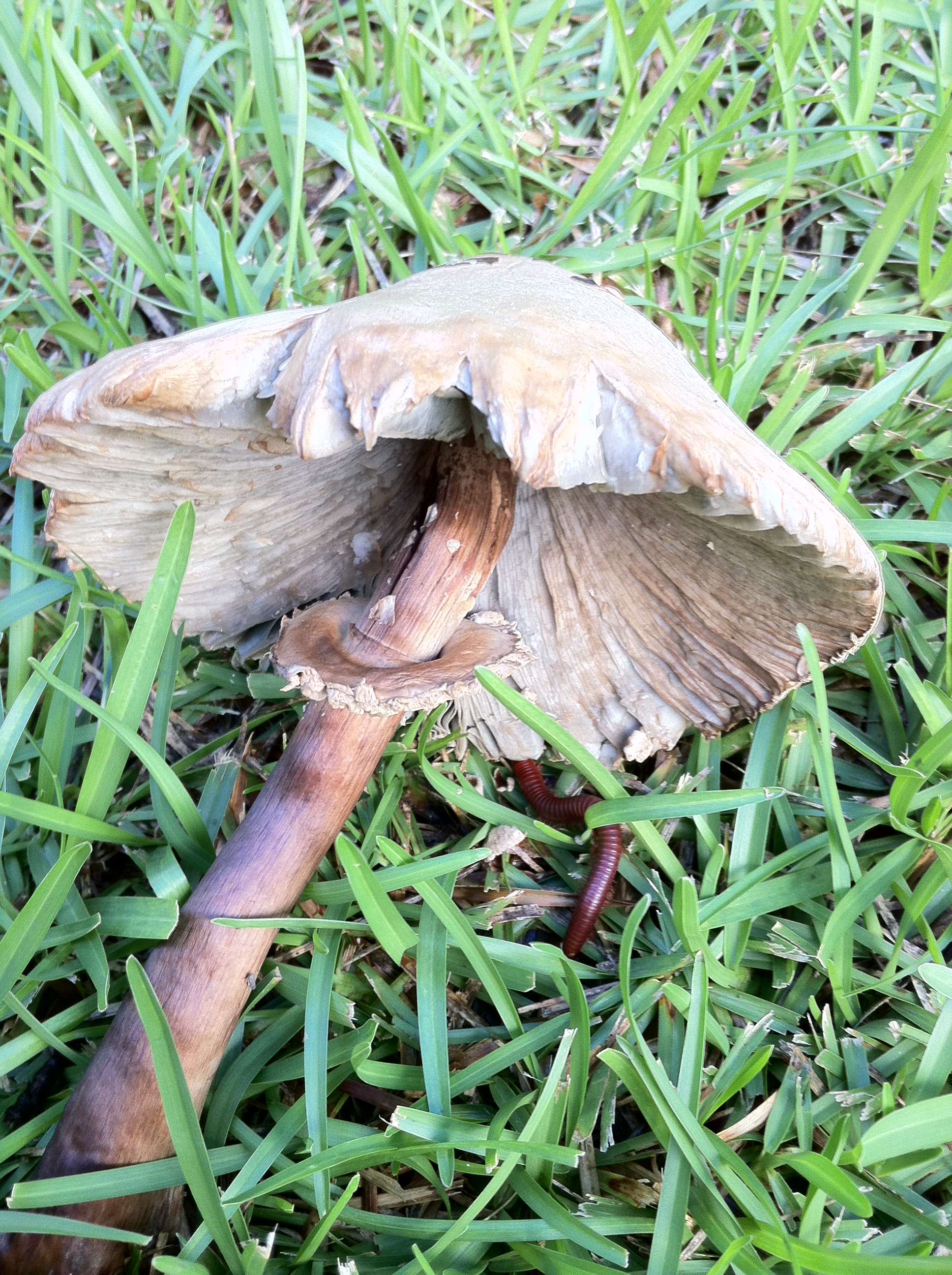
They are not animals; they do not move, nor do they photosynthesize. They are capable of doing one very important thing, a dirty job: they deal with death. In this the very first post of The Hypertextual Lounge, I will tell the story of the mushrooms that have been dancing–with the moon, the earth, and other vectors (rain, detritus, cats, dogs, and insects)–in my front lawn, for the last few months.

Edible? Not.

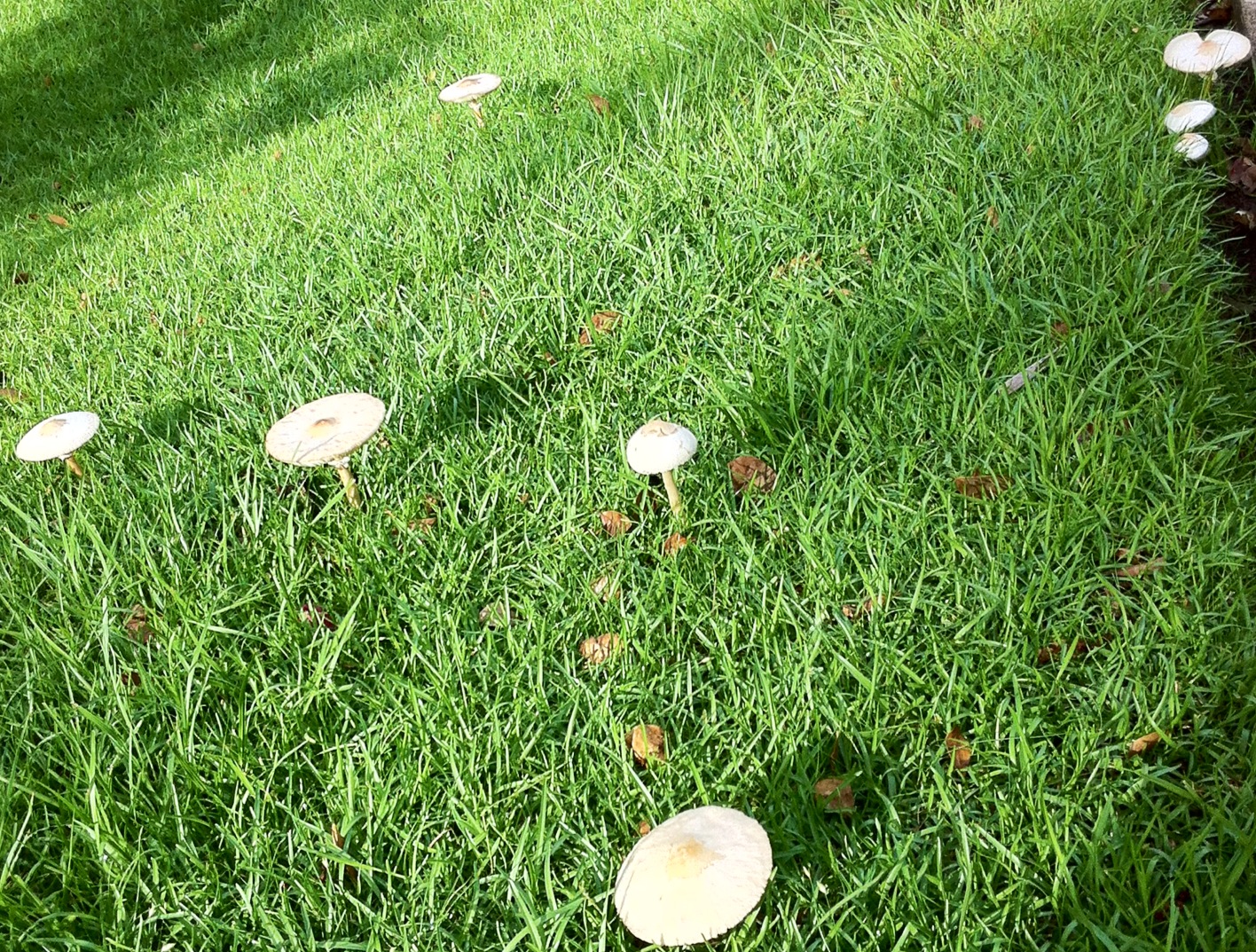
They explode into white patches of life, in an otherwise green and boring landscape. It appears as if these mushrooms grow overnight. One day there is only one of them in its early budding stages; the next day there are three or four new ones. I now have a better understanding of the metaphor “to mushroom”.

Landscaping

Landscaping II.

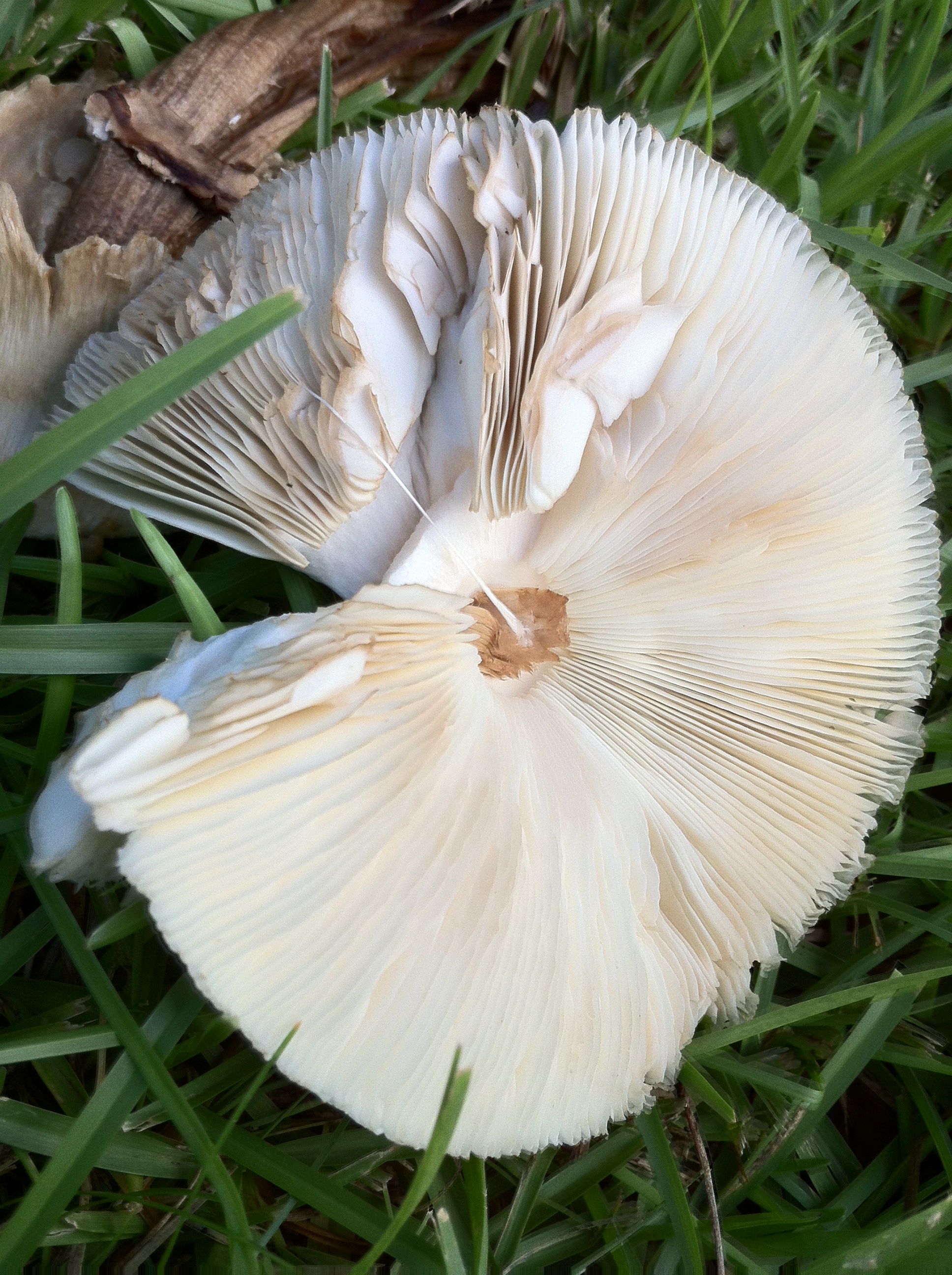
Mushrooms have a lot of cool adaptations. One of these are gills, which allow these organisms to spread their spores.

Sexual Reproduction.

Broken, torn from the Earth.

Cross-Section

El Hongo y el Gongolí.

El Hongo y el Gongolí.

Under my unmbrella, ella, ella, ella...

Under my umbrella, ella, ella, ella…

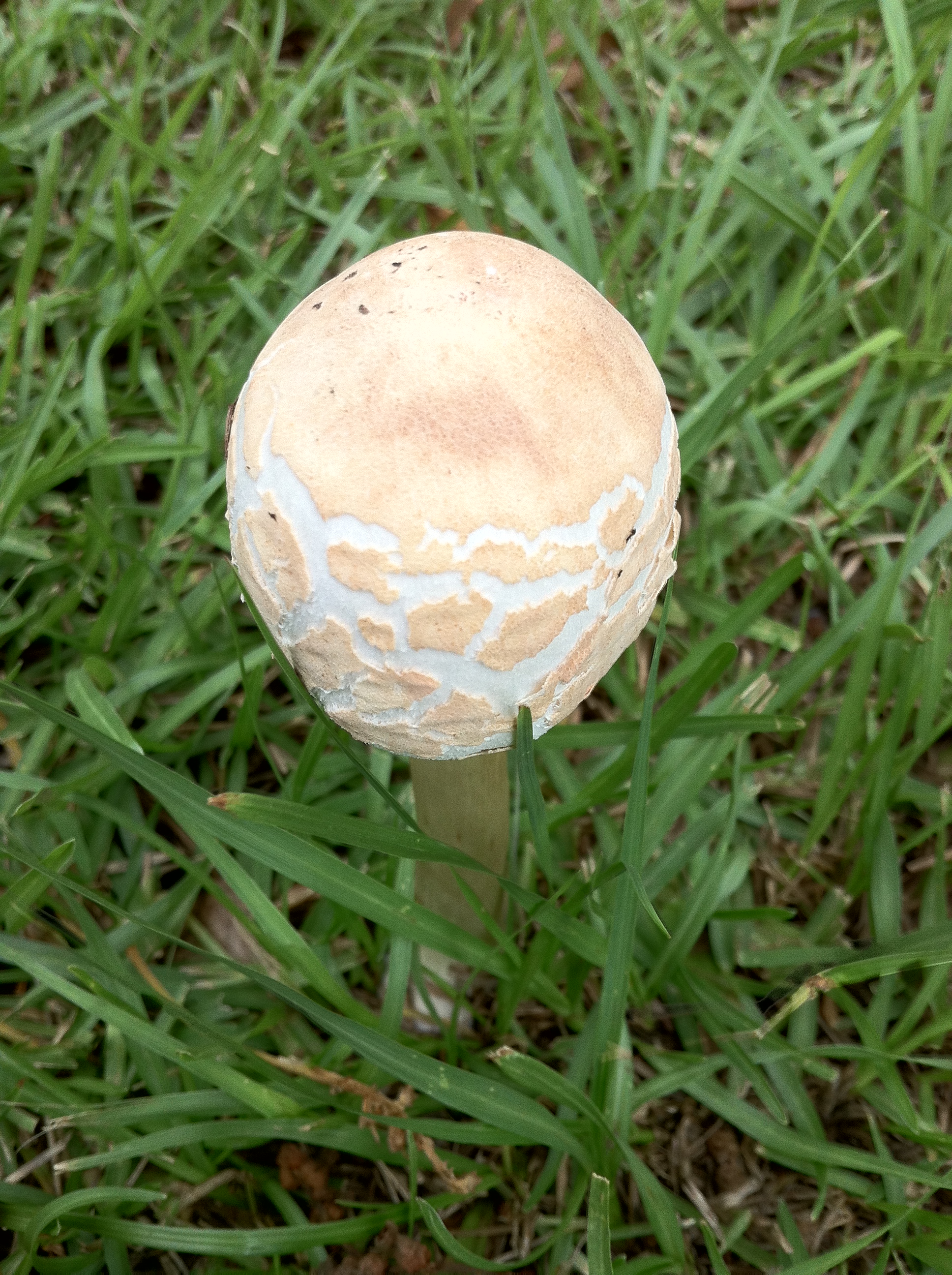
Roundness.

Roundness.

Mushrooms are decomposers, and humans ignore signs...

Mushrooms are decomposers, and humans ignore signs…