Albino baby turtle (Eretmochelys imbricata) from east Bangkok. Photo via Reuters/Chaiwat Subparasom
We’ve discussed the mechanisms by which species arise, given enough time and environmental circumstances. These mechanisms account for the means by which evolution occurs–in other words: natural selection. Would nature select for or against the albino turtle? How would this selection take place? What can be said about the trait that results in albinism?
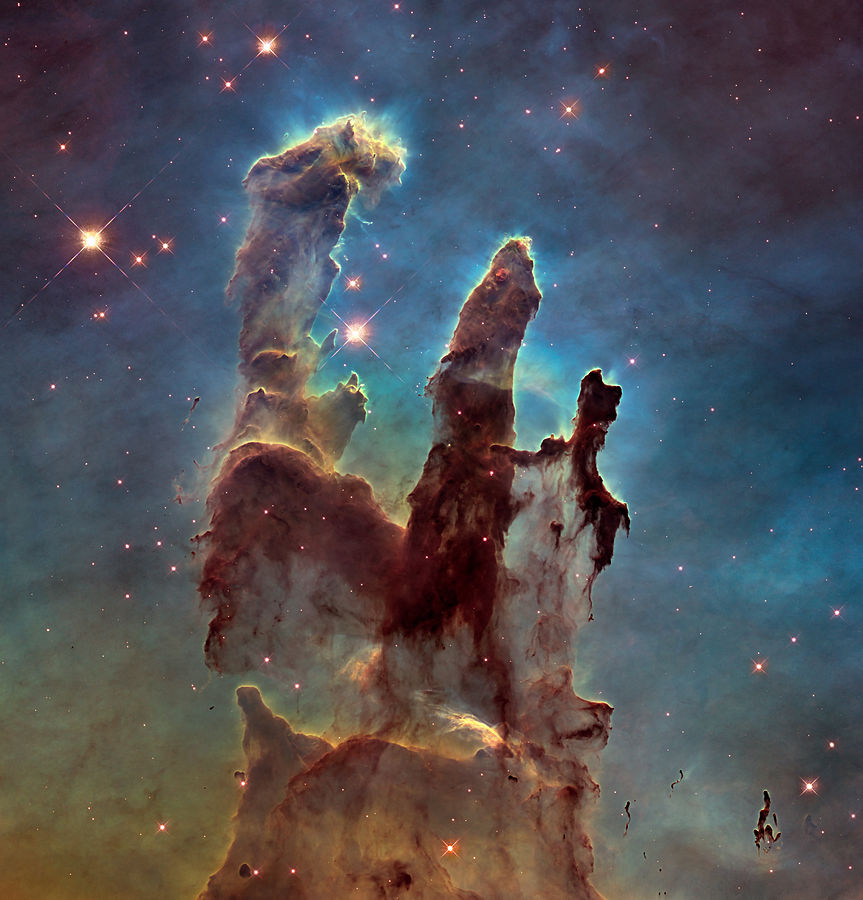
“The pillars are composed of cool molecular hydrogen and dust that are being eroded by photoevaporation from the ultraviolet light of relatively close and hot stars. The leftmost pillar is about 4 light years in length. The finger-like protrusions at the top of the clouds are larger than our solar system, and are made visible by the shadows of Evaporating Gaseous Globules (EGGs), which shields the gas behind them from intense UV flux EGGs are themselves incubators of new stars“
These gas clouds–or ‘star nurseries’–are part of the Eagle Nebulae, also known as M16:
They were discovered in 1995. The image is a composite made by the Hubble Telescope. These clouds–made out of oxygen, hydrogen, and sulfur, elements found in our own bodies–are very, very far away–6,500 light years away. This means that what Hubble captured 20 years ago was a snapshot of an object that no longer exists:
“Images taken with the Spitzer Space Telescope uncovered a cloud of hot dust in the vicinity of the Pillars of Creation that one group interpreted to be a shock wave produced by a supernova. The appearance of the cloud suggests a supernova would have destroyed it 6000 years ago. Given the distance of roughly 7000 light years to the Pillars of Creation, this would mean that they have actually already been destroyed, but because of the finite speed of light, this destruction is not yet visible on Earth, but should be visible in about 1000 years.However, this interpretation of the hot dust has been disputed by an astronomer uninvolved in the Spitzer observations, who argues that a supernova should have resulted in stronger radio and x-ray radiation than has been observed, and that winds from massive stars could instead have heated the dust. If this is the case, the Pillars of Creation will undergo a more gradual erosion.” Via.
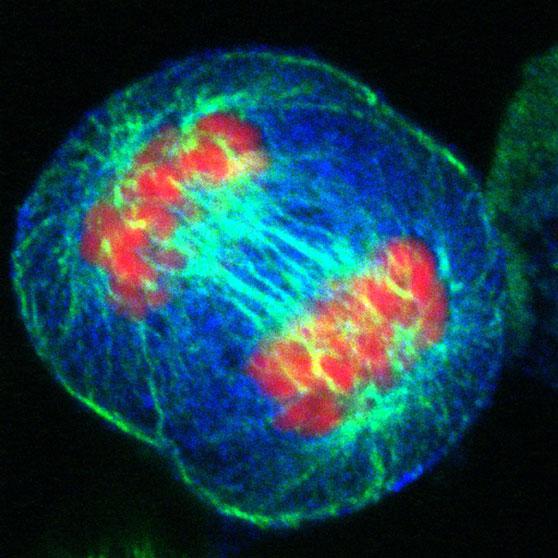
HeLa Cell during Anaphase. Credit: Matthew Daniels/Wellcome Images
Because #Meiosis.
The following video deals with the question: “Why kids don’t look like their parents”. I assure you, it will be answered. Basically, it is a matter of possible combinations, the nature of meiotic events. Which include what happens in metaphase, a.k.a. ‘independent assortment’, synapse formation, and crossing over.
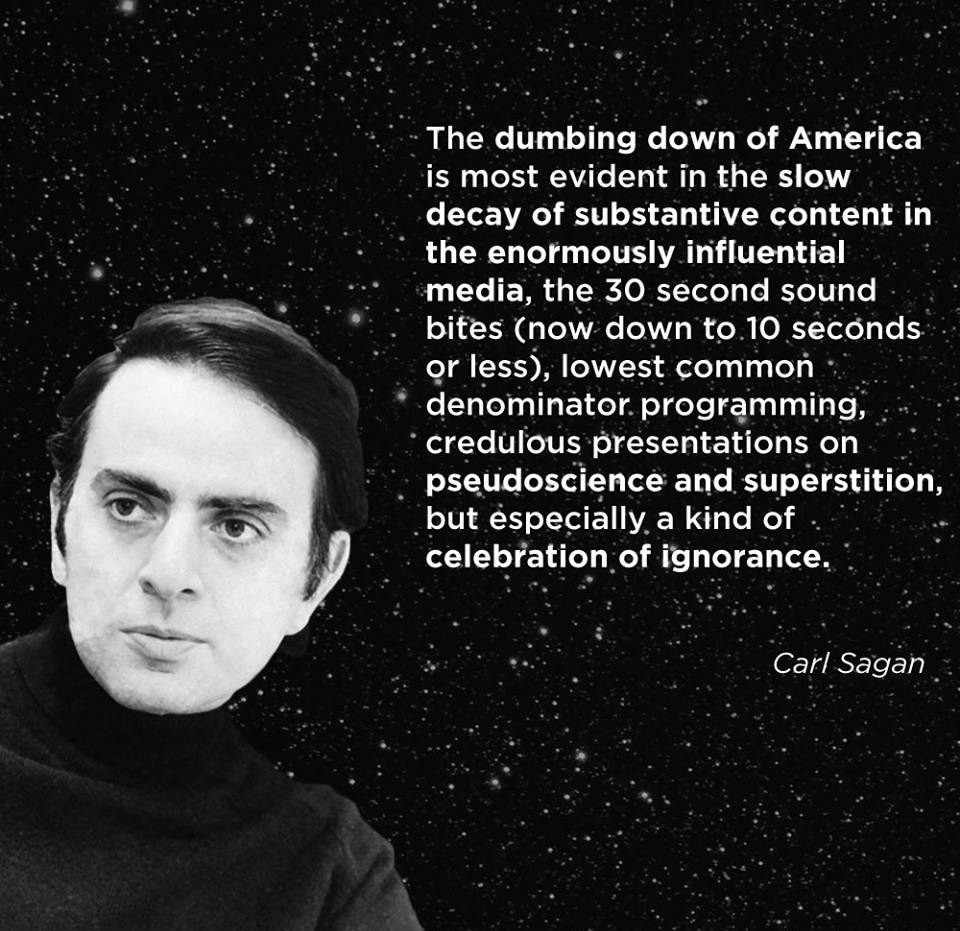
Something quite paradoxical is happening right now, during the Age of the Internet—an unprecedented time in our history which can be roughly compared to the invention of writing, more than 4,000 years ago, or the invention of the printing press, about 500 years ago—: people are getting dumber.
With more access to information, many of us would naturally believe that education should be more accessible. The fact is that yes, there is a lot more information out there, but much of it is analogous to the trans fats that we may find in junk food.
Social media is one of the mayor enablers of this pervasive diet of misinformation; and conventional media—newspaper, radio, TV, etc.—are desperately trying to get our attention with this brand of “knowledge” trying to pass as science. A positive feedback loop of misleading ideas dressed as ‘facts’ invade our senses from a lot more outlets than ever before.
What I’m referring to is what has been labeled as pseudoscience (pseudo = false): Astrology instead of Astronomy; Alchemy instead of Chemistry; Conspiracy Theories (of the Illuminati kind) instead of geopolitics.
This blog post will account for mayor conspiracies, factoids, pseudoscience detritus, etc., that get a lot of exposure in our contemporary media outlets. Take this post as a survival kit for the vast media wilderness that predatorily hungers for our attention. Links to the bogus factoids, as well as the actual, contradicting fact, will be posted along with each item of this list; the actual facts that aim to correct our misconceptions are known as debunkery. If any of you find another pseudo-scientific factoid, conspiracy theory, etc., be sure to write them in the comment section.
For each natural science there is a vast amount of pseudoscience examples out there. The most controversial ones have a lot to do with astronomy. Here are just 3 of them:
1. Ancient astronaut hypothesis:
Together Akhenaten and Nefertiti transformed the religious practices of ancient Egyptian society.
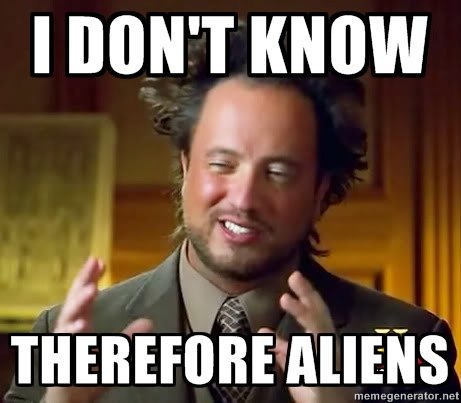
Thanks to the History Channel, this “hypothesis” has convinced a lot of people that aliens, instead of North Africans, were responsible for structures like the tombs we know as the Great Pyramids of Egypt. In fact, some ancient astronaut proponents are sure that Nefertiti, an Ancient Egyptian queen, was an alien.
Debunkery (More than 190 minutes of it) via Youtube:
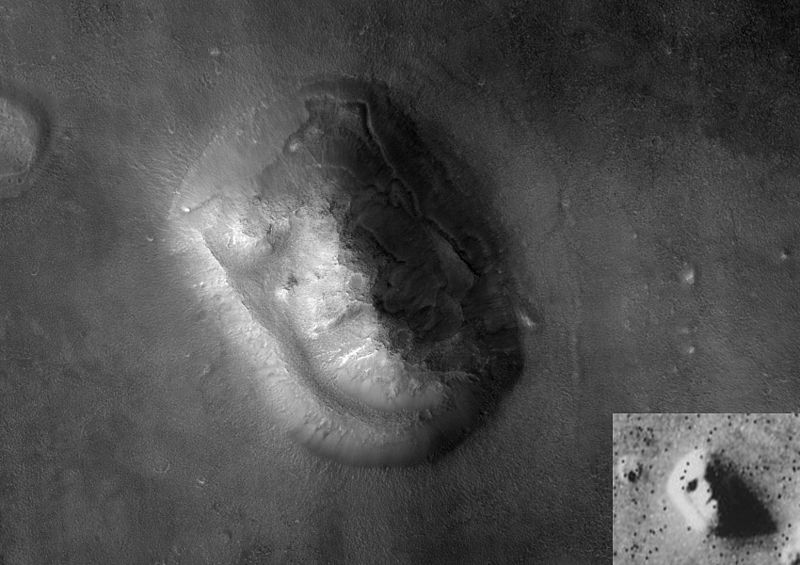
2. The Face on Mars:
Small part of the Cydonia region, taken by the Viking 1 orbiter and released by NASA/JPL on July 25, 1976 Richard C. Hoagland is responsible for this notorious nugget of pseudoscientific detritus
“His writings claim that advanced civilizations exist or once existed on the Moon, Mars and on some of the moons of Jupiter and Saturn, and that NASA and the United States government have conspired to keep these facts secret. He has advocated his ideas in two published books, videos, lectures, interviews,and press conferences.His views have never been published in peer-reviewed journals.Hoagland has no university degree”– Via Wikipedia(Emphasis with bold letters is mine)
Debunkery: One word should be enough to debunk this outrageous and many other pseudoscientific claims, credulity, what people want to believe with little or no evidence.
Pareidolia is a psychological phenomenon involving vague and random stimulus—image or sound—being perceived as significant. In other words, we see what we want to see. The large image on the left is a more recent one than the one at the bottom, taken in the late 70’s. The best cure to ‘pareidolia’ is high-def.
3. Moon landing conspiracy theories
In the previous video, we see astronaut Buzz Aldrin—the second man to step on the Moon—knocking the daylight out of a conspiracy theorist that called him, among other things, a coward. I do not support violence in any shape or form, but this video shows how ugly things have gotten when it comes to the outrageous claims that many credulous people want to believe.
Debunkery: With modern computing and graphics technology, computer scientists and designers have been able to recreate the lighting conditions of the lunar surface during the moon landing. Many conspiracy theories trying to pass as science revolve around light: reflections, shadows, lack of stars, etc.. These are designed to cast doubt, and claim that the moon landing was staged in a studio. The following video—a very recent one—debunks the studio claim of the moon landing with the latest graphic accelerators, used in films like Gravity and computer video games:
Another gem of debunkery is brought to us by theoretical physicist, Michio Kaku. In this podcast recording, the scientist classily debunks the major conspiracy theories put forth by a podcast listener:
Unfortunately, there are many more out there. They are very easy to find; and every year a new one appears. In many cases, centuries old pseudoscience digs its way out of the rubble of history to pollute the Facebook walls of millions. Mermaids, round earth deniers, “anti-vaxxers“, phrenology, astrology, etc., are among the most common—and in many cases—most ancient pseudoscientific claims that still claw their way into our ideological frameworks.
The following excerpt should further equip you to distinguish between science and pseudoscience.
Paul R. Thagard used astrology as a case study to distinguish science from pseudoscience and proposed principles and criteria to delineate them.First, astrology has not progressed in that it has not been updated nor added any explanatory power since Ptolemy. Second, it has ignored outstanding problems such as the precession of equinoxes in astronomy. Third, alternative theories of personality and behavior have grown progressively to encompass explanations of phenomena which astrology statically attributes to heavenly forces. Fourth, astrologers have remained uninterested in furthering the theory to deal with outstanding problems or in critically evaluating the theory in relation to other theories. Thagard intended this criterion to be extended to areas other than astrology. He believed it would delineate as pseudoscientific such practices as witchcraft and pyramidology, while leaving physics, chemistry and biology in the realm of science. Biorhythms, which like astrology relied uncritically on birth dates, did not meet the criterion of pseudoscience at the time because there were no alternative explanations for the same observations. The use of this criterion has the consequence that a theory can at one time be scientific and at another pseudoscientific.
Make your own judgements about each factoid exposed here. I encourage you to do additional research on the subject.
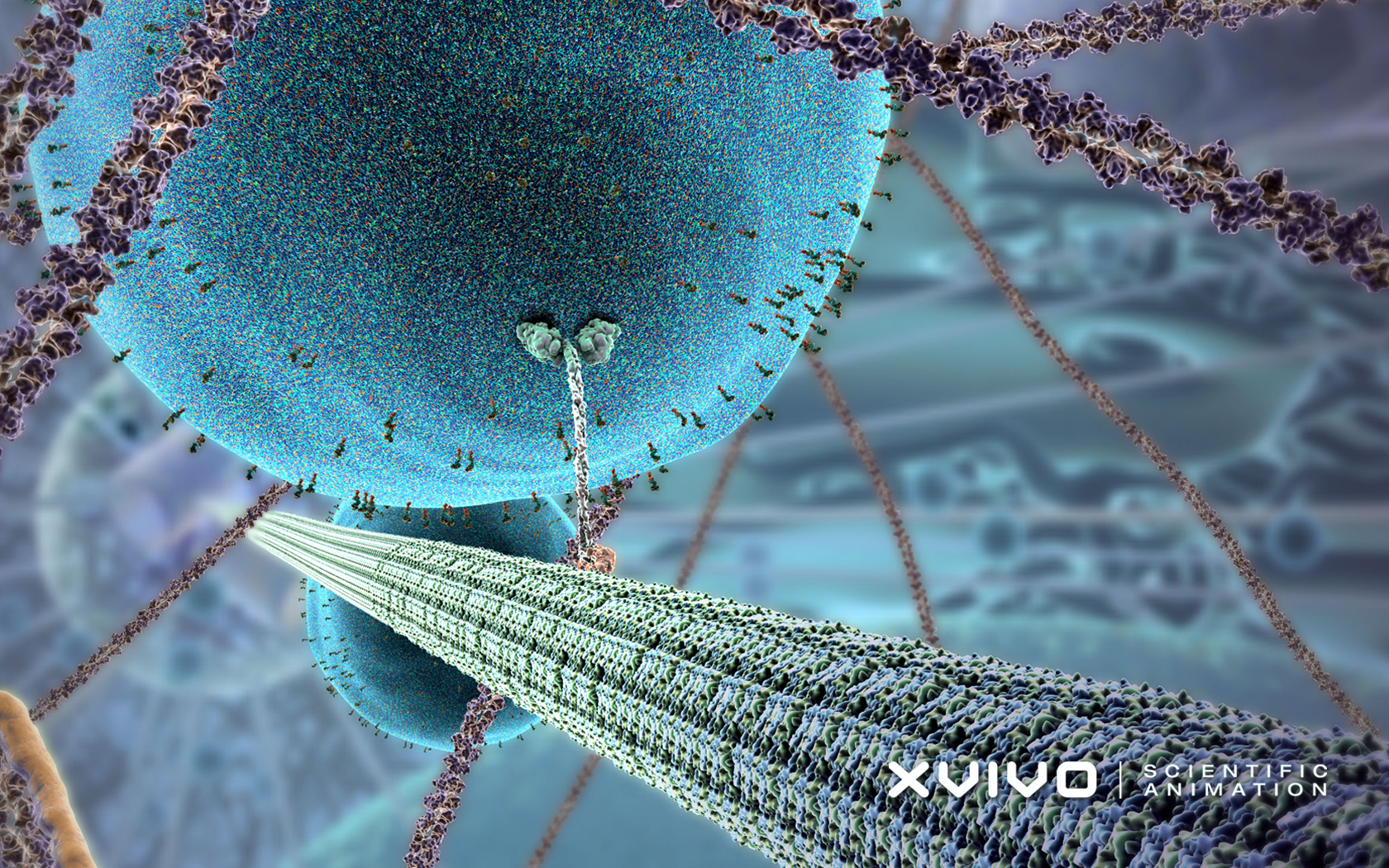
We’ve been discussing a new level of our hierarchical organization of life: cells. Everything we’ve discussed about biological molecules, polarity of water, functional groups, organic chemistry, hydrophobic, hydrophilic interactions, protein manufacture, etc., leads up to the cell.
In this post I will share videos that account for the microscopic universe of cells. Art, science, and technology crossed paths for each video. Notice themes we’ve discussed in class in each video, and align them with our class discussions–
Who–or what–is Watson? To answer this question properly, we have to account for what artificial intelligence is. We have not quite reached the sci-fi level of artificial intelligence, but we are getting there, and Watson is a very big step towards that very controversial goal:
The following videos give us a little more insight into the nature of Watson:
What is happening with Watson today? As we all know by now, technology can have many applications, especially information technology, mediated by a very complex network of algorithms that aim to mimic human intelligence. As recently as a few days ago, news were published about what Watson is up to these days: he’s a chef and, in a not too distant future, might even be a biomedical detective:
Scientists at the Baylor College of Medicine and IBM Research have already used Watson to discover new pathways to cancer therapies, which they reported in a study presented at an academic conference this week. Watson looked closely at 70,000 scientific articles on a protein, called p53, that’s involved in more than half of all cancers. From its analysis, it picked out 6 different proteins that might function as a switch to turn on and off the p53 function–and therefore might be possible good targets for new drugs and cancer therapies. For comparison, says IBM research scientist Scott Spangler, human beings have only discovered about 1 new p53 target a year over the course of a decade.
How would Watson be useful for our lives in the near future? Should we be weary or afraid of what artificial intelligence means for mankind? If not, what would be different? How would our lives change if say, a future technology thousands of times smarter than Einstein, is as conspicuous as Google is today?
We’ve discussed the chemistry of life; how electronic transactions make it possible for matter to be called alive. This includes general concepts about Chemistry, water, hydrocarbons, and, more recently, hydrocarbon derivatives or functional groups. These functional groups, along with very cool interactions that, in many cases, function as lego pieces sticking together, can make large molecules–known as macromolecules–which are vital for life; they are known as, simply put, the molecules of life.
If we want to know about the molecules of life, we need to understand how they are formed; the mechanics of large molecule formation. Big molecules need some sort of automatic chain formation known as polymerization. Polymers, which can be millions of molecules long, occur thanks to dehydration and hydrolysis; these two reactions are enzyme mediated. Think about the REDOX reactions we’ve discussed earlier; acid/base reactions resemble polymer synthesis: we have hydroxyl and hydrogen cations working to add monomers, until we have a chain, known as a polymer.
The following images will account for each type of carbohydrate.
The picture above is the result of mankind, once again, imitating nature. For all animals, nutrition and nurture are very important. And bees are experts at this. So what better example to follow than the one set by our pollinating friends. Bees are capable of regurgitating a nectar that evaporates and then transformed into honey. This evaporated regurgitation tastes sweet. It is a disaccharide, made out of two monomers (sugars): fructose and glucose. Fuel.
There are different kinds of polysaccharides. Like apps on a smartphone. The second type is for energy storage, as opposed to the aforementioned polysaccharide which is for a quick energy fix.
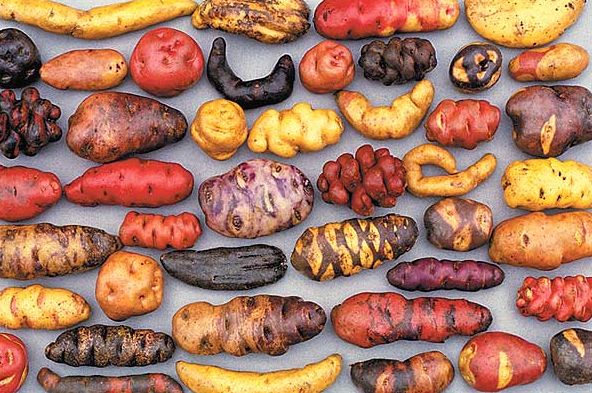
Potatoes saved the life of hundreds of thousands of Irish people during the XIX century; they’ve become part of the global diet, but, like many other foods with widespread use, potatoes come from America. This image shows a small sample of the 5,000 varieties of potatoes that exist in Peru.
Potatoes have a storage polysaccharide known as starch. They are great for reserve: glucose is made and stored in starch granules. Glycogen serves the same purpose, but its synthesis occurs in animals. Our livers are responsible for the synthesis of this giant polysaccharide.
Another cool application of polysaccharides is structure. For this we have a fibre like polysaccharide known as cellulose:
These are baobabs trees in a forest in Madagascar–part of Africa, and a huge island. Some of the trees are over 1,000 years old.
Cellulose is a structural monosaccharide, meaning that it is used as brick and mortar, mainly for the architecture of plants–from a blade of grass, to the bark of an old tree. Cellulose makes up the cell wall that surrounds plant cells.
Another structural polysaccharide, this one found in animals, is chitin:
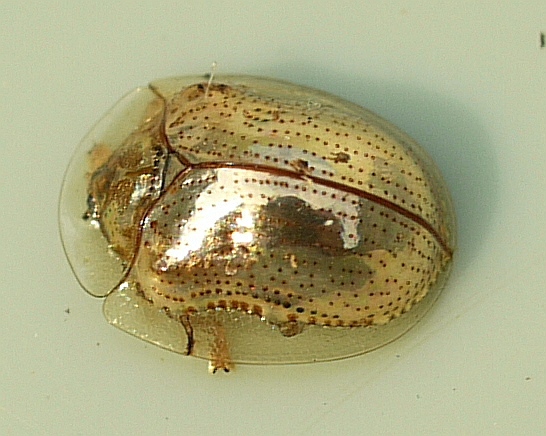
Charidotella sexpunctata. This arthropod has an exoskeleton made out of chitin
We’ve seen the mayor polysaccharides. Their functions:nurture, storage, and structure. Next class we’ll see other molecules of life, vital for the symphony of matter that refuses the chaos of the universe.
In both AP Bio and 10 Bio, we’ve been discussing the fundamentals of life, which include a lot of chemistry.
But we’ll take a brief hiatus from the chemical context of life, to discuss an actual living being that benefits from water’s properties. This organism is the Caribbean Manatee:
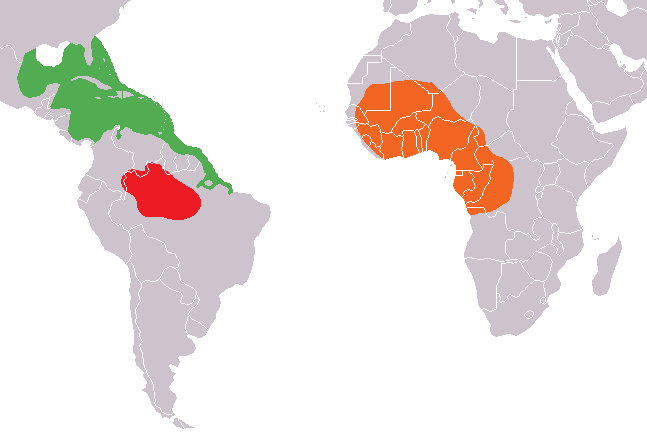
Manatee worldwide distribution
Notice the pattern of distribution. What can you say in regards to this? What properties of water account for this distribution?
The antillean manatee (Trichechus manatus) is distributed in the green area, Puerto Rico included. These organisms are threatened by our own industrial exploits. Habitat depletion, water sport injuries, niche disruption, irresponsible tourism, hunting, illegal poaching… The lives of these gentle herbivores, mistaken for sirens during the early days of European colonization and conquest, have been tragic.
Notice the incredible amount of fat. AP Bio students: What is “fat”? What is its chemical nature? Why is it important for life?
They look sad, innocent, almost saint-like. But we should not pity them. In fact, this elephant-like sea mammal is quite amazing:
“Manatees have sensitive tactile hairs that cover their bodies and face called vibrissae. Each individual hair is a vibrissal apparatus known as a follicle-sinus complex (FSC). Vibrissae are blood filled sinuses bound by a dense connective tissue capsule with sensitive nerve endings that provides haptic feedback to the manatee.
Usually vibrissae are found on the facial regions of terrestrial and non-sirenian aquatic animals and are called whiskers. Manatees, however, have vibrissae all over their body. The vibrissae located in their facial region are roughly 30 times denser than the vibrissae on the rest of their body. Their mouth consists of very mobile prehensile lips which are used for grasping food and objects. The vibrissae on these lips are turned outward during grasping and are used in locating vegetation. Their oral disk also contains vibrissae which have been classified as bristle-like hairs (BLH) that are used in non-grasping investigation of objects and food.
Research has found that manatee vibrissae are so sensitive that they are able to perform active touch discrimination of textures. Manatees also use their vibrissae to navigate the turbid waterways of their environment. Research has indicated that they are able to use these vibrissae to detect hydrodynamic stimuli in the same way that fish use their lateral line system.”
These haptic abilities—‘haptic’ means ‘touch’—provide manatees with almost superhero-like abilities to sense danger and food sources. They play the role of a ruminant in Caribbean waters, which means that they store lot of fat, they are slow, and their diets consist of plants (Thalassia, mangrove leaves, algae, etc.)
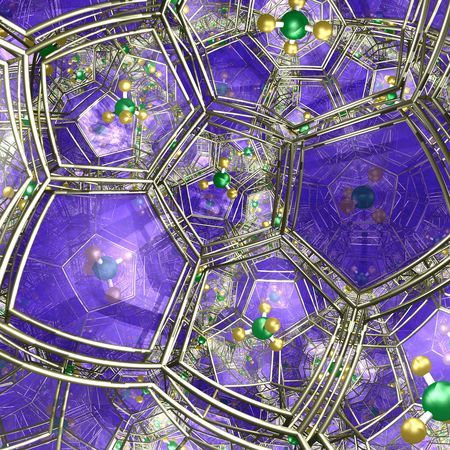
“Only under the right conditions does nature produce methane hydrates, fuel trapped in ice crystals. [T]he environment must be extremely cold and wet, and under relatively high pressure. And there must be methane. The simplest, and most purely refined hydrocarbon, methane consists of one carbon atom surrounded by four hydrogen atoms. The methane is formed when organic material is broken down, either by heat or by microbes, in an oxygen-poor environment.”–Via
Welcome to a new school year.
This first post will account for introductory concepts for Chemistry, the natural science that studies matter. Any proper Bio course has to discuss Chemistry; we are living beings made out of star stuff, aware of what makes us, so let’s see what important topics from Chemistry we need to understand what makes us alive.
Two Youtube Channels will be very important throughout the school year: Crash Course and Khan Academy. For this our introduction to Bio, we’ll use Crash Course Chemistry. If we want to understand what makes the physical world possible, we need to consider the science that studies the nature of matter. The following videos will show you what Chemistry is all about. Very simply put, Chemistry is the story of how protons, electrons and neutrons came together to make everything–stars, bacteria, gold–possible:
Now that you’ve watched these videos, which account for a very brief summary of what chemistry is, we can now discuss what probably is the most important chemical compound for life in our planet: water. The following videos describe how important water is. We’ve already discussed in class the properties of water; but these properties owe their existence to the chemical configuration of this unique molecule, made out of very simple and abundant elements:









 The Hypertextual Lounge

You must be logged in to post a comment.