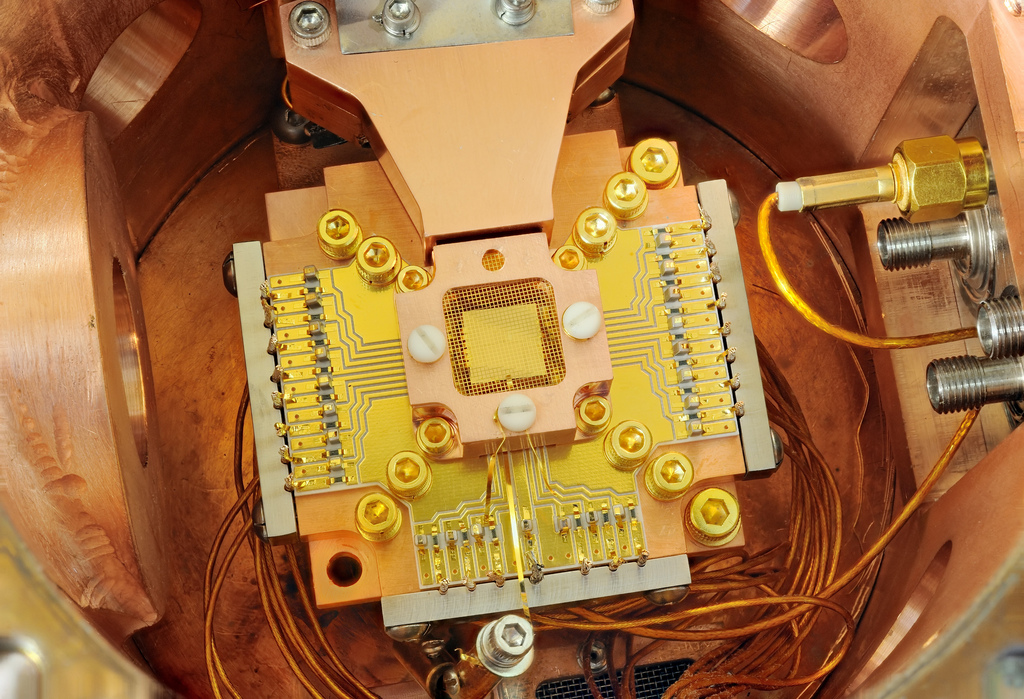
“Someday quantum computers will, their cheerleaders swear, sift through unprecedented volumes of information and solve processing problems once thought intractable. The military hopes to use them for extra-secure encryption, biologists hope to use them to unpack the mysteries of proteins, investment banks hope to use them to analyze minute market fluctuations, and everyone hopes to use them to store giant caches of data. But quantum computing is still a young field, and quantum computers can’t do any of it yet. At present, the one in front of me can factor the number fifteen.”–Via.
The following short film crams a lot in a very limited time frame: philosophy, technology, science, quantum mechanics, etc. It gives a first look account of what could very well be the next big step in computing. Quite enthusiastically, it depicts the possibilities behind harnessing quantum technology:
“The film takes a look at various researchers working on the project, as well as the computer itself, which has to be operated at near-absolute-zero temperatures. Researchers hope the quantum architecture will eventually be used to optimize solutions across complex and interconnected sets of variables currently outside the capabilities of conventional computing. That could allow for new solutions in computational medicine or help NASA to construct a more comprehensive picture of the known universe. “We don’t know what the best questions are to ask that computer,” says NASA’s Eleanor Rieffel in the video. “That’s exactly what we’re trying to understand.”” — Via The Verge
In the next few weeks, we’ll begin a discussion about photosynthesis. Even when quantum mechanics is way beyond the grasp of what we can discuss in a High School Biology course, it is interesting to know that the nature of light–its behavior, especially in the context of chloroplasts, which regulate photosynthesis–can be understood through quantum concepts.
The film–of about six minutes–puts forth very interesting topics that we have discussed in class regarding the nature of science, our place in the universe, and technological progress.
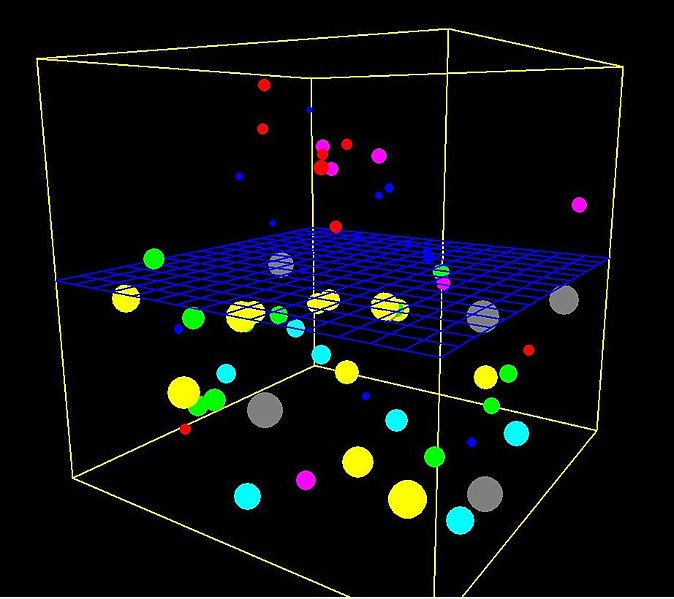
Osmosis Computer Simulation: “This is a shot from a three dimensional computer simulation of the process of osmosis. The blue mesh is impermeable to the larger balls, whereas all of the balls are (in the animated version) bouncing about according to the rules of physical simulation of the kinetics of an ideal gas.”–Via Wikipedia.
“There is more evidence to prove that saltness [of the sea] is due to the admixture of some substance, besides that which we have adduced. Make a vessel of wax and put it in the sea, fastening its mouth in such a way as to prevent any water getting in. Then the water that percolates through the wax sides of the vessel is sweet, the earthy stuff, the admixture of which makes the water salt, being separated off as it were by a filter.”
[This is an example of Aristotle giving proof by experiment, in this case, of desalination by osmosis.]
Even 2,000 years after Aristotle’s rough experiment, scientists, students, and teachers still have something to say about this phenomenon; which “plays a role in the blood circulation, keeping just the right balance between the water content of the blood and the surrounding tissues. Osmosis drives fluid flow in the kidneys, preventing waste products from accumulating to dangerous levels. Osmosis is also the driving force behind plant cell expansion, playing a role in flower and fruit growth.” (Via Scientific American, May 1, 2013).
The following video from Khan Academy illustrates what Aristotle observed. It also provided explanations through the use of experimental models:
In March of 2013, I uploaded a blog post called Animals of Reddit. The blog post prompted a lot of questions, comments and responses. Even though we have not yet reached the topic of animals, the due date of the 5 comment blog participation is drawing near. I want to help you reach the end stretch of your assignment.
This said, the following post will include a gallery of animals that have gained some notoriety in news–via The Atlantic, a publication over 150 years old. While looking at these pictures, it is important that you think about concepts that we’ve already discussed in class; which include: protein synthesis, homeostasis, heredity and genes, taxonomy and cladistics, the characteristics of life, the chemistry of life, etc. Needless to say, this post, along with the Animals of Reddit post, will be revisited in the near future.
I encourage you to participate in any way that you deem possible; but it will be especially noteworthy if your participation includes high quality, high-res pictures of rare animals–make sure you include the url (or link) from where you got the picture.
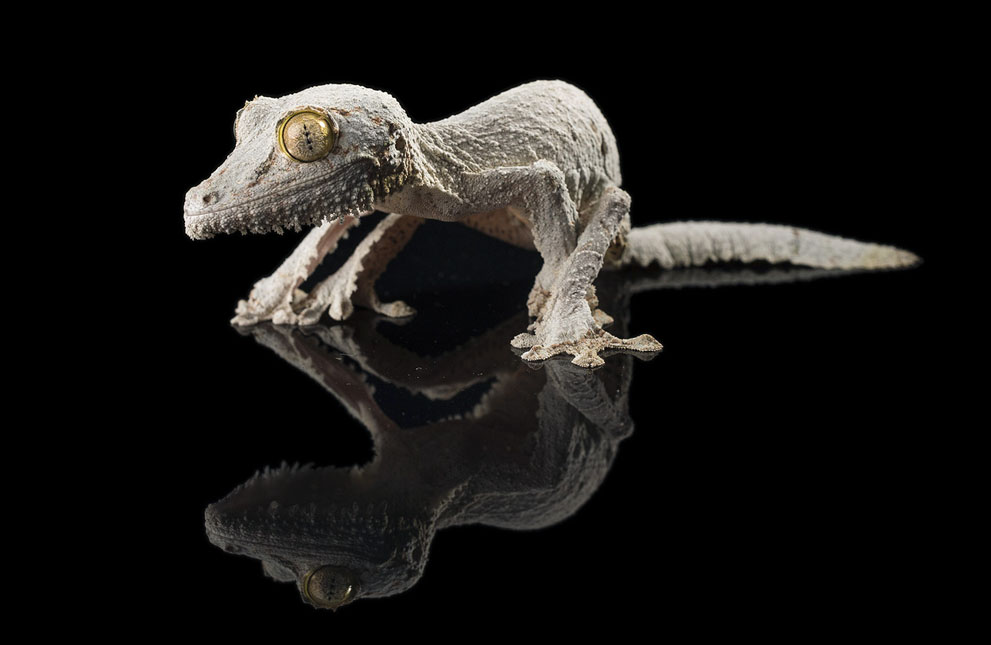
Uroplatus sikorae — These animals are reptiles. They are not amphibians, as many people in Puerto Rico are led to believe.
The bumble bee belongs to the genus Bombus. Bees are fundamental for any ecosystem. Their sexual behavior allows for plants to cross-pollinate and reproduce as well.
A good title for this picture could be ‘Serendipity’. Pure chance allowed the capture of this magnificent and rare image: “Remote cameras set up to track Siberian tigers in Russia caught the golden eagle attack on a sika deer, snapping three photos as the massive bird dug its talons into the distressed animal’s back.”
This elephant was injured by his mother in a zoo in Shandong, China: “Asian elephant calf Zhuangzhuang which was stamped on and injured by his mother after his birth, cries in a zoo in Rongcheng, Shandong province, China, on August 31, 2013.”
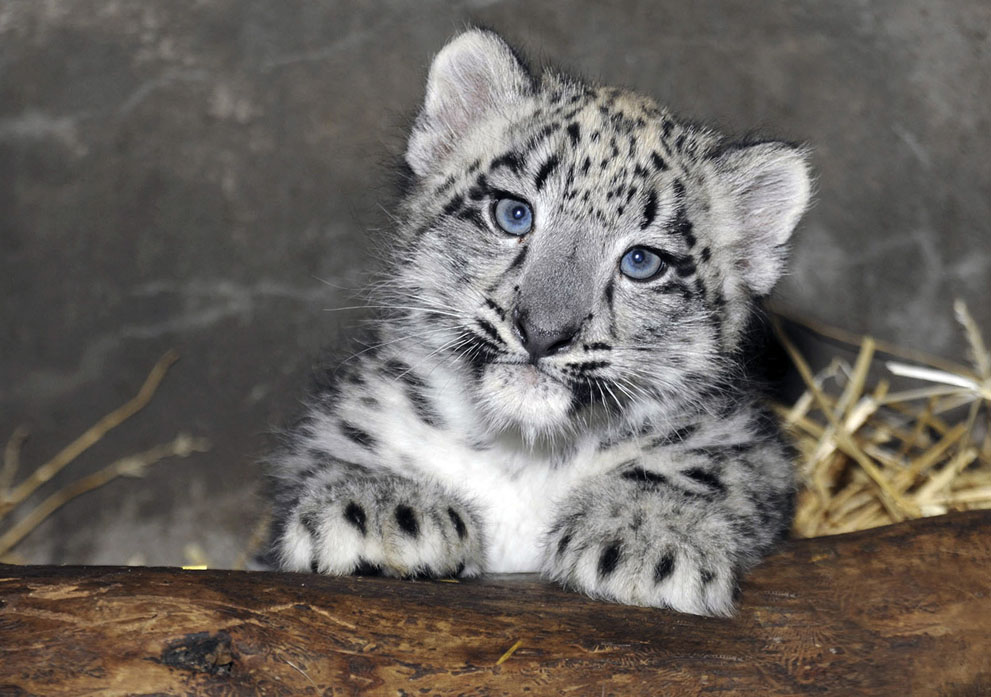
This baby snow leopard (Uncia uncia) is a an endangered species. They live in the cold, mountainous regions of Northern India, Nepal, Tibet, among other Central Asia countries.
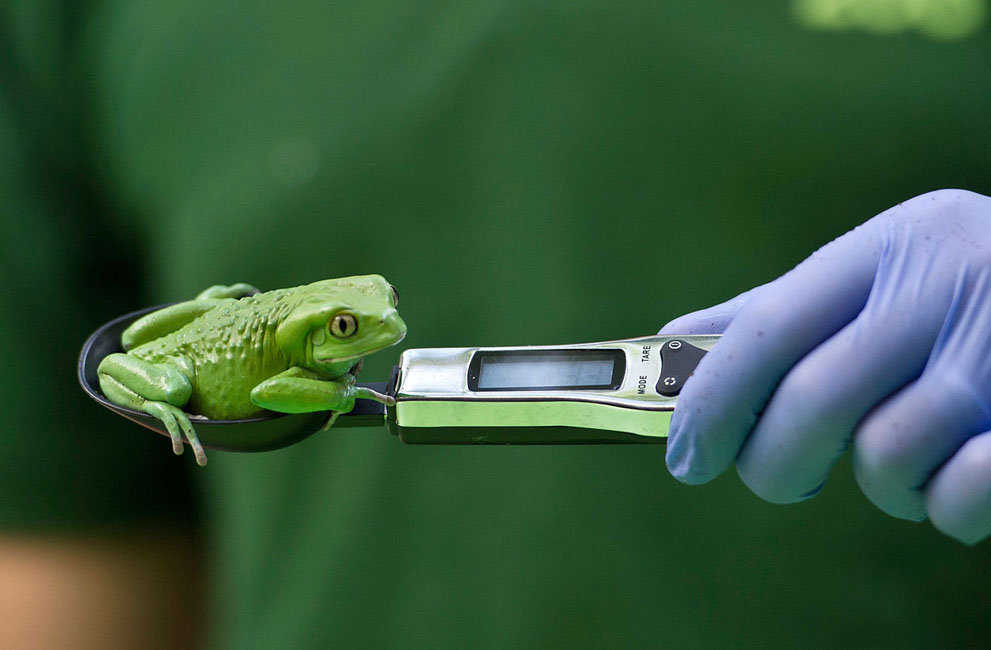
Phyllomedusa sauvagii (a.k.a. Waxy Monkey Leaf Frog) has adapted to meet the demands of life in the trees. It does not need to return to the ground during the mating season; rather, it lays its eggs down the middle of a leaf before folding the leaf, sandwiching the eggs inside. Its nest is attached to a branch suspended over a stream, so the hatching tadpoles drop into the water
Galápagos sea lions.
Amblyrhynchus cristatus is an iguana found only on the Galápagos Islands that has the ability, unique among modern lizards, to live and forage in the sea, making it a marine reptile. The iguana can dive over 9 m (30 ft) into the water. It has spread to all the islands in the archipelago, and is sometimes called the Galápagos marine iguana. It mainly lives on the rocky Galápagos shore, but can also be spotted in marshes and mangrove beaches.
A young Galápagos Sea Lion, Marine Iguanas in the background, in Bahia Fe, Santa Cruz Island.
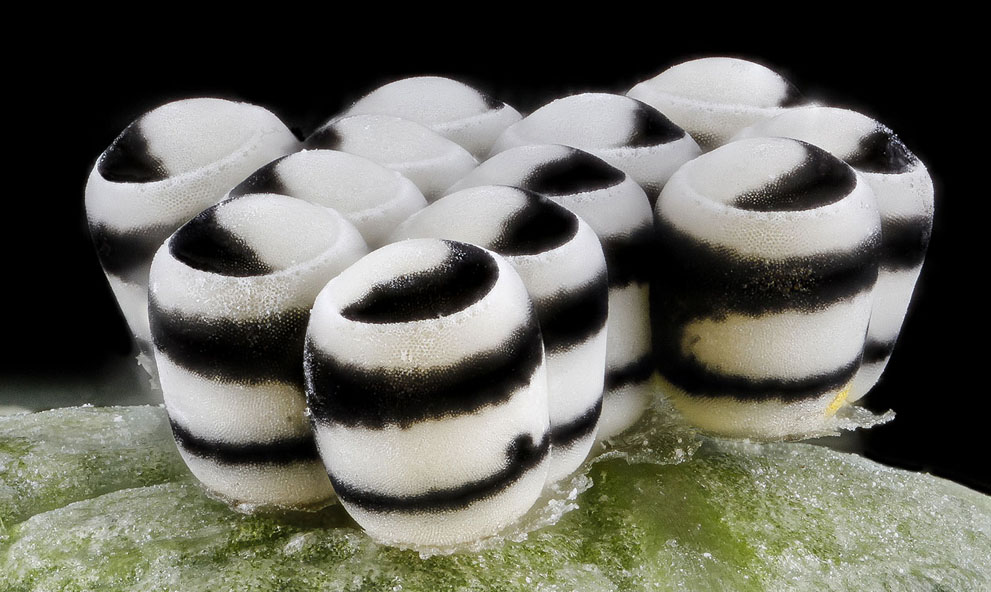
This gallery could not be complete without insects, nature’s most successful animals. This is Euglossa dilemma, a bee from the genus Euglossa. It is an orchid bee, meaning that it has coevolved with a particular species of orchid.
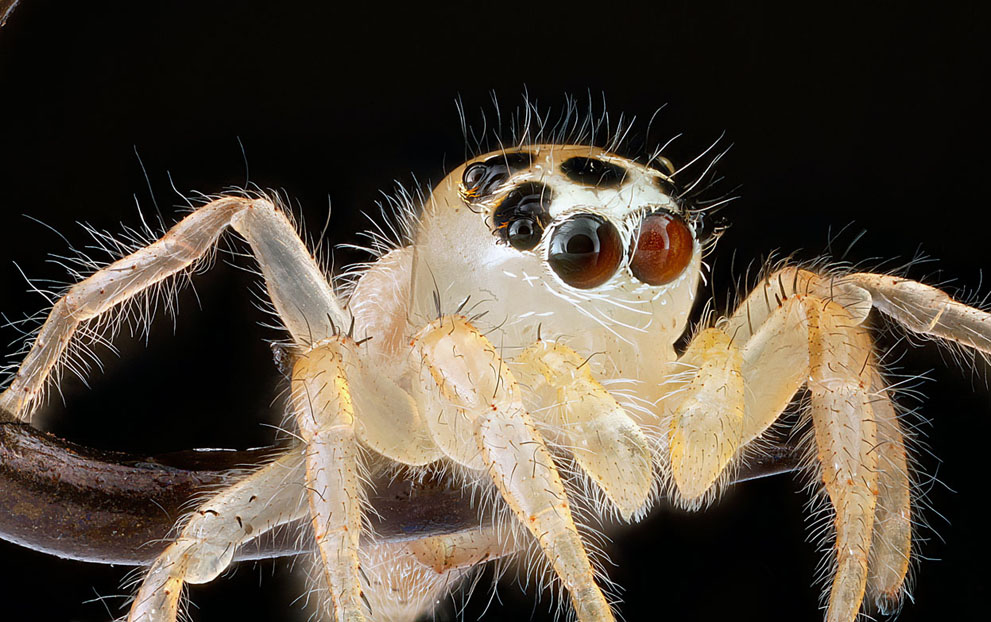
A jumping spider is easily recognizable by the pattern of its eyes.There are thousands of species, making it the most bio diverse group of spiders.
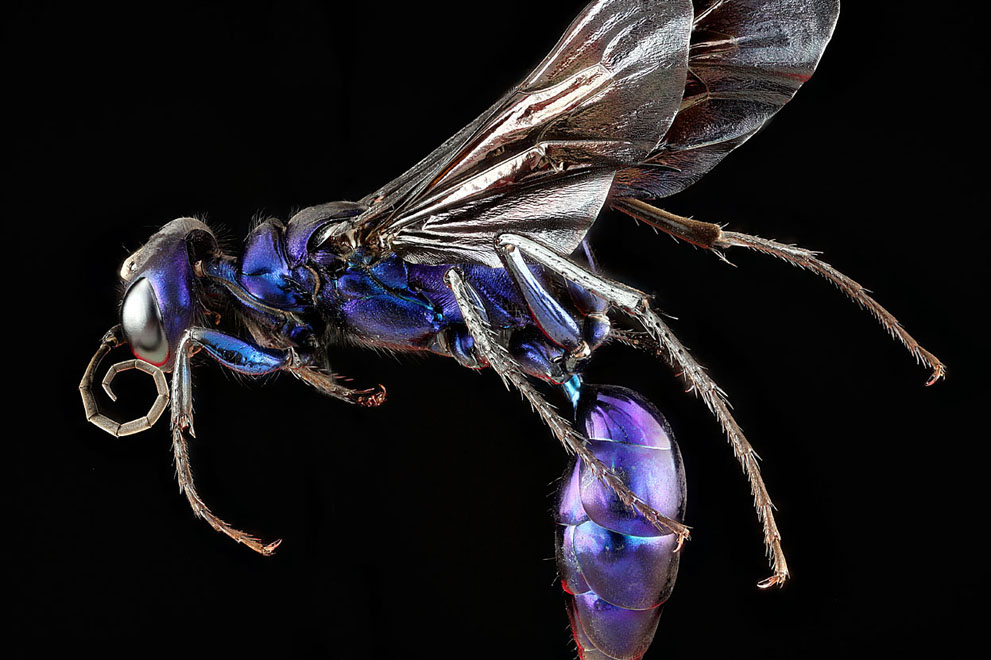
With the Steel Blue Cricket Hunter (Chlorion aerarium)–possibly the most epic name for an insect ever–we conclude this second gallery of animals curated from the web. Remember, if you come across animals that could be added to this or other galleries, don’t hesitate to put a link on the comment section of this blog post.
During the week of Sept. 23 through Sept. 27 we continued the discussion of the cell–via a film called The Hidden Life of Cells (BBC, 2012). In this film of about 60 minutes, we saw the machinery of a human cell through the narrative of the invasion of a virus:
This film reveals the exquisite machinery of the human cell system from within the inner world of the cell itself – from the frenetic membrane surface that acts as a security system for everything passing in and out of the cell, the dynamic highways that transport cargo across the cell and the remarkable turbines that power the whole cellular world to the amazing nucleus housing DNA and the construction of thousands of different proteins all with unique tasks. The virus intends to commandeer this system to one selfish end: to make more viruses. And they will stop at nothing to achieve their goal.
Watch the film once more, reviewing the concepts discussed with the help of Campbell’s Biology and Modern Biology textbooks. (This film is part of the class discussion).
If you wish to better visualize the story told in this film, click here–a journey to “an inner universe that is beginning to give up its secrets.”
The discussion of the chemistry of life always leads up to bigger and more evident levels of biological concepts. Thanks to eons of emergent interactions between the elements of life–CHNOPS–, we have cells, the basic unit of life. And it took mankind more than 2,000 years to make the important breakthrough of discovering that all life is made out of cells. So, all matter is made out of atoms–and the interaction of its subatomic particles with other atoms–, and all life is made out of cells.
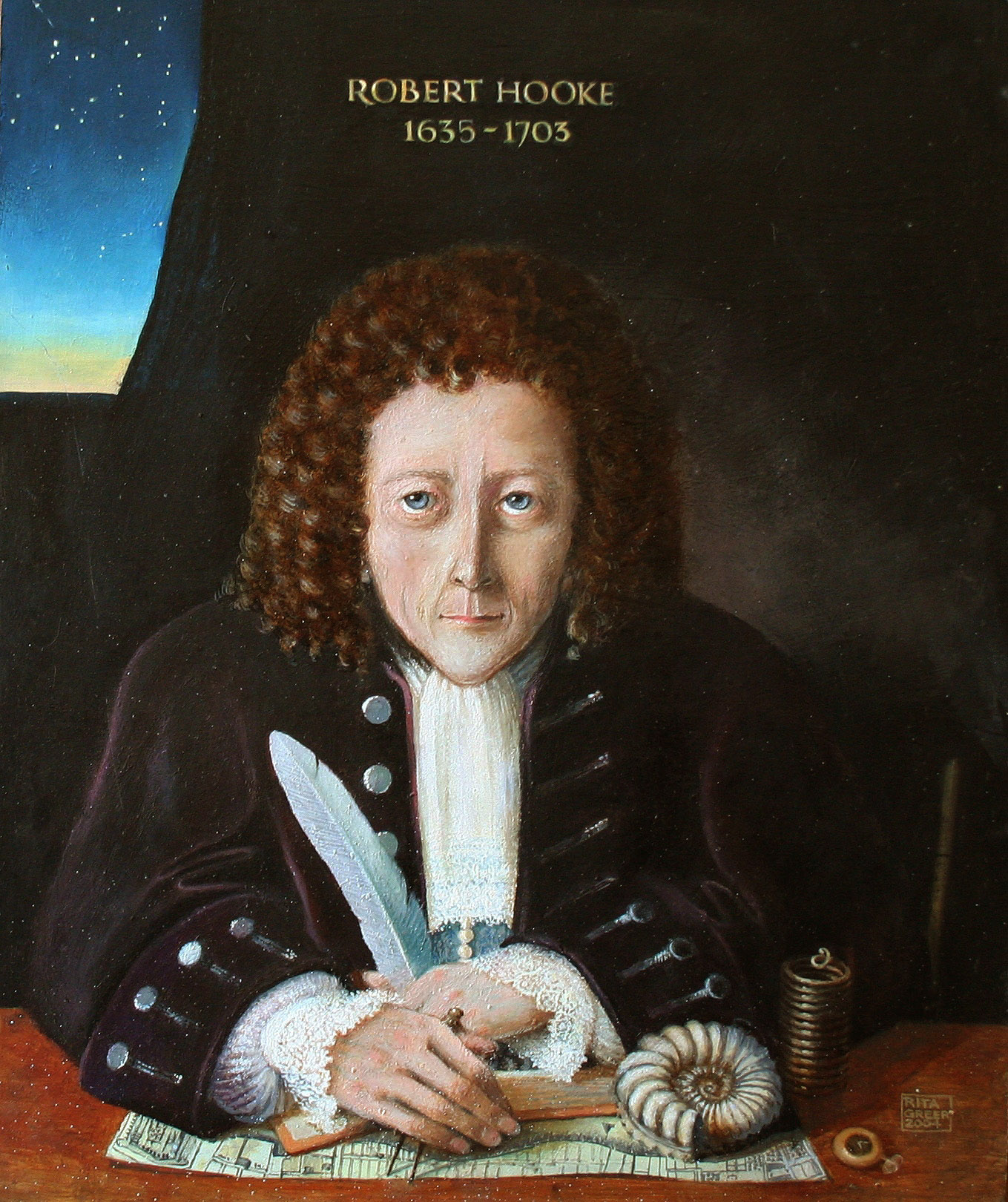
In 1665, English scientist Robert Hooke studied nature by using an early light microscope. Thanks to his curiosity and his inquiry–and his skills as an artist; his drawings are valuable works of art–today we can talk about cells:
“By the help of Microscopes, there is nothing so small, as to escape our inquiry; hence there is a new visible World discovered to the understanding.”–Robert Hooke
Just imagine the sense of amazement and wonder that resulted from this discovery. Even centuries after Hooke’s observation, its ripples–or muses–were felt well into the 20th century. The following images are examples of art drawing inspiration from science. For Hooke, art was a tool: drawings had to be made of his observations. Many artists followed this tradition and produced true works of art that delight and teach at the same time. These pieces can be seen on textbooks and academic journals. But this being The Hypertextual Lounge, we can see the cell in the context of fine art:
Terry Winters, Double Gravity. This piece resembles embryonic cells at different stages of development.
Wassily Kandinsky, Succession. Notice the emergent quality of the shapes–which resemble bacteria and organelles–, reminiscent of evolution.
Max Ernst, The Gramineous Bicycle Garnished with Bells the Dappled Fire Damps and the Echinoderms Bending. This piece clearly suggest cell morphology.
Activity — Enrichment of knowledge: Google the following concepts. These may be helpful when commenting on this blog post: ‘biomorphism’, ‘cell theory’, ’17th century textile industry’.
Primary source: If you wold like to know more about the cross-disciplinary aspects of cell biology and art, you can click here: Images of the Cell in 20th Century Art and Science. This information may also prove useful when commenting on this blog post.
On 2011, Bjork released a new album: a musical project she named Biophilia. The subject matter of this work is the Cosmos. It has 10 songs, each one grouped as app-songs—every piece comes with an app (or game) that deals with the theme of the song. The app-album can be used on iPods, iPhones and iPads.
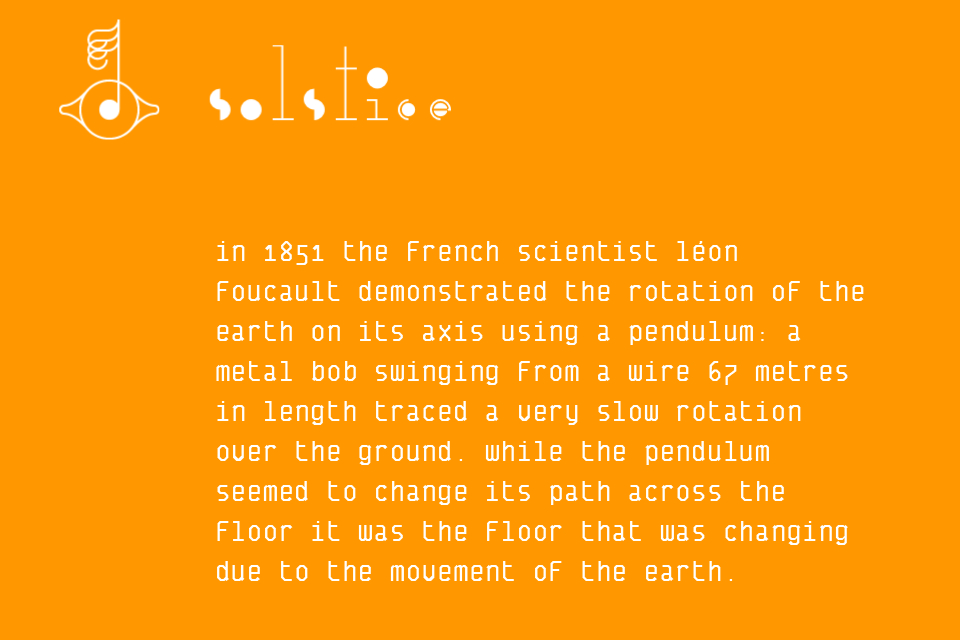
Solstice—a Christmas carol written by Sjón, a poet and friend of Bjork–is inspired in musical theory and science (actually, this can be said of the whole album, but in the case of Solstice, counterpoint and Gravity are its themes):
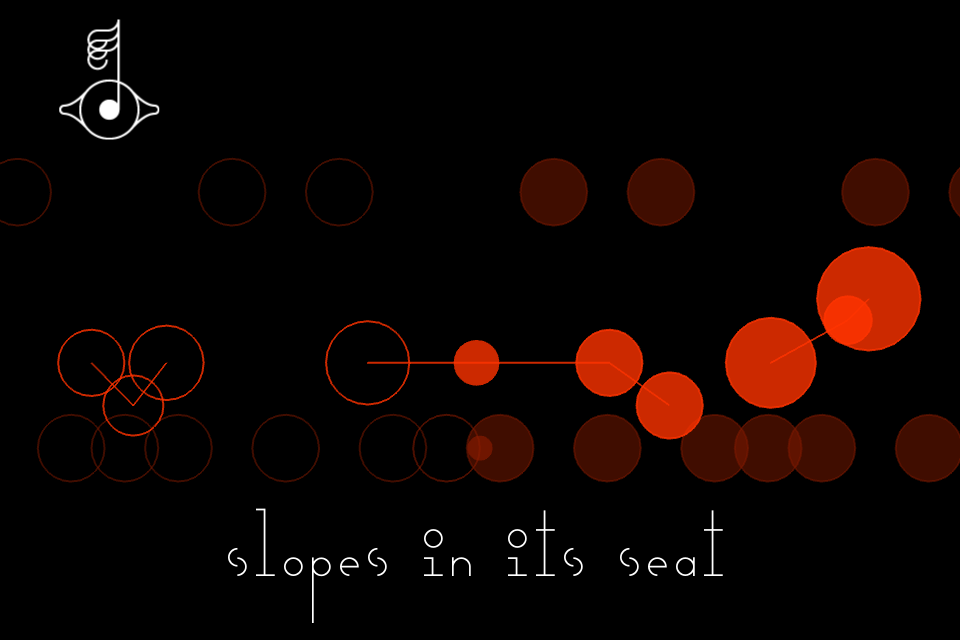
This famous experiment can be reproduced today, and it always yields the same result, showing that Earth is sloped at 45 degrees, rotating in its own axis, due to gravitational interactions between the celestial bodies of this Solar System:
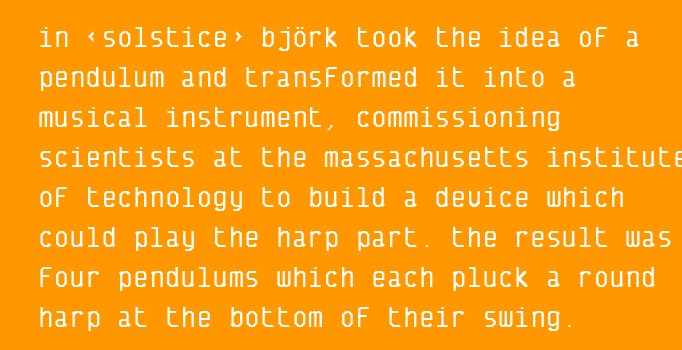
Foucault’s pendulum was used to make the music for this song (the sounds you are hearing right now are emitted by this instrument):
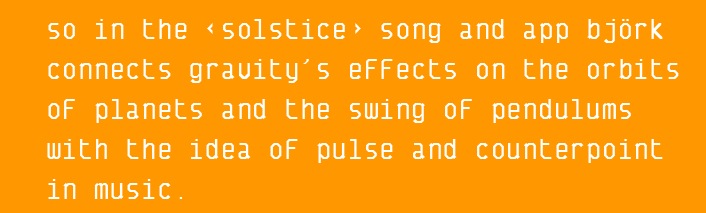
Nikki Dibben, another friend of Bjork’s and a respected musical theorist, says the following about Solstice and Bjork’s artistic vision:
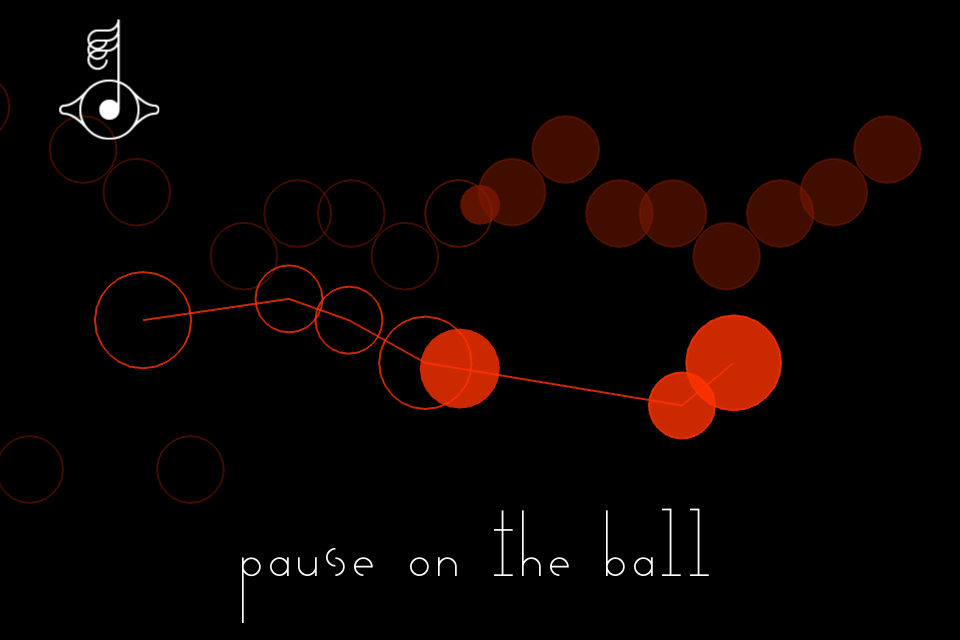
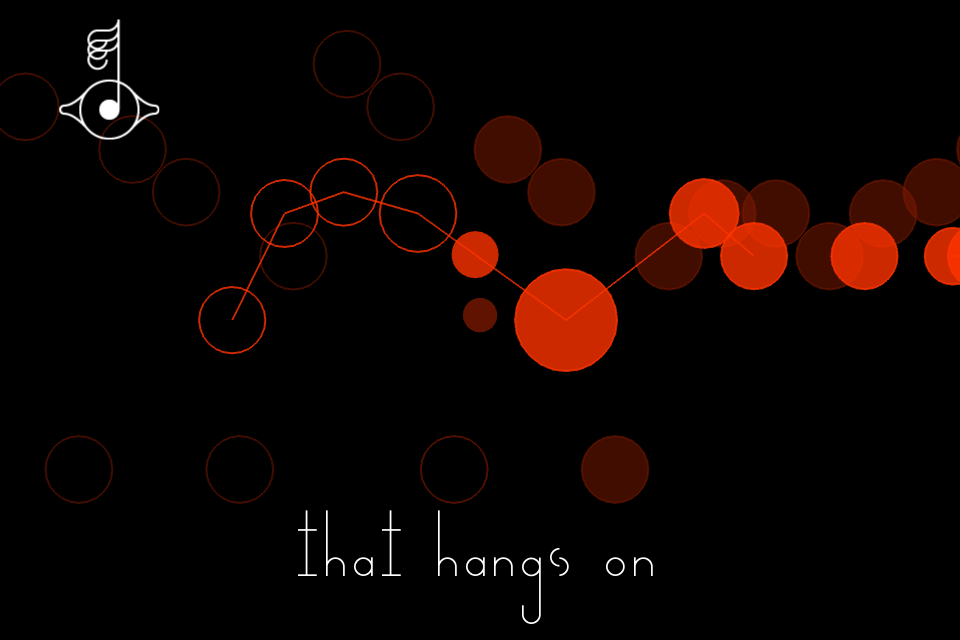
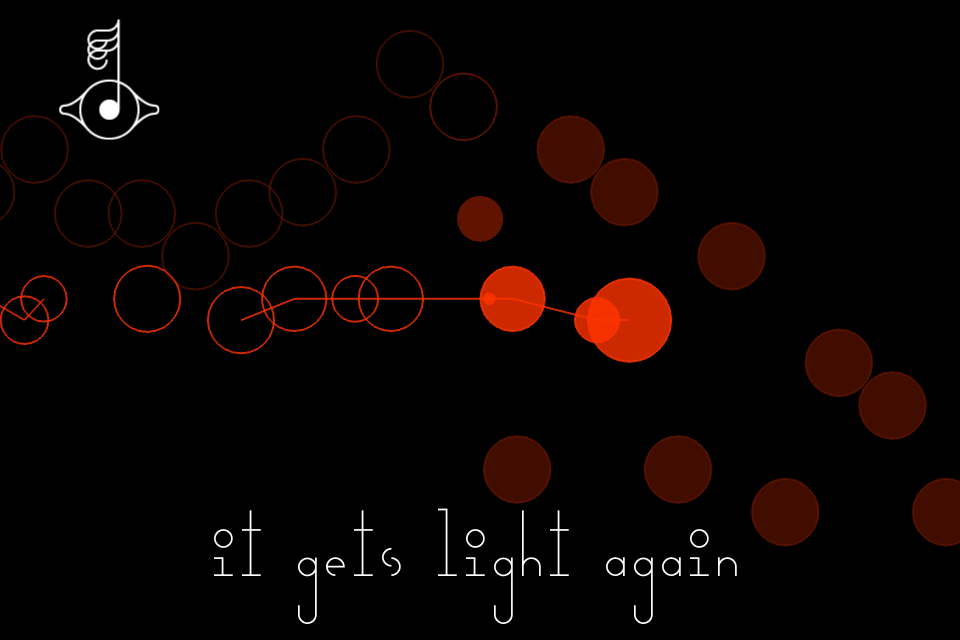
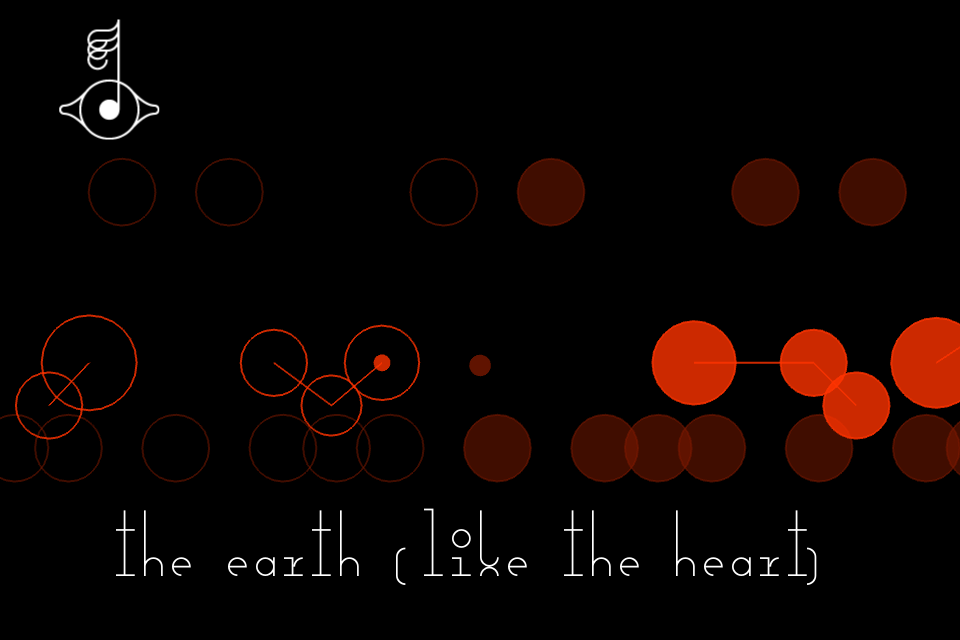
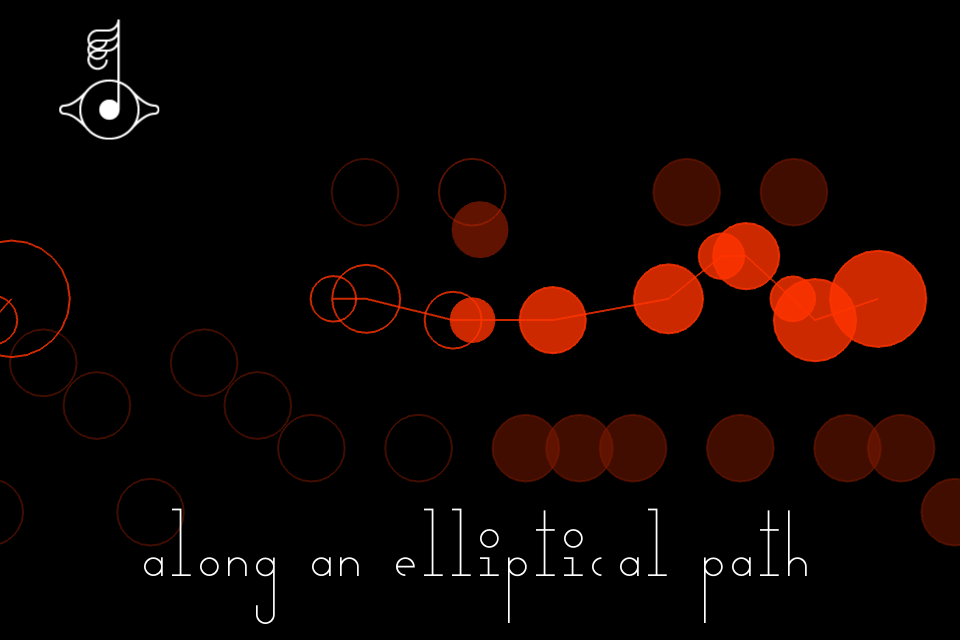
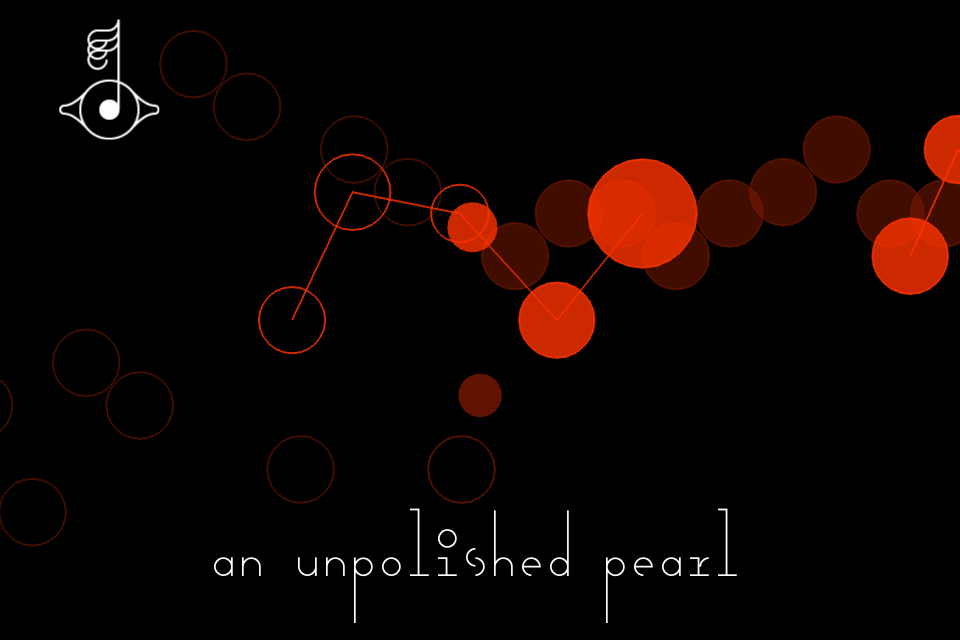
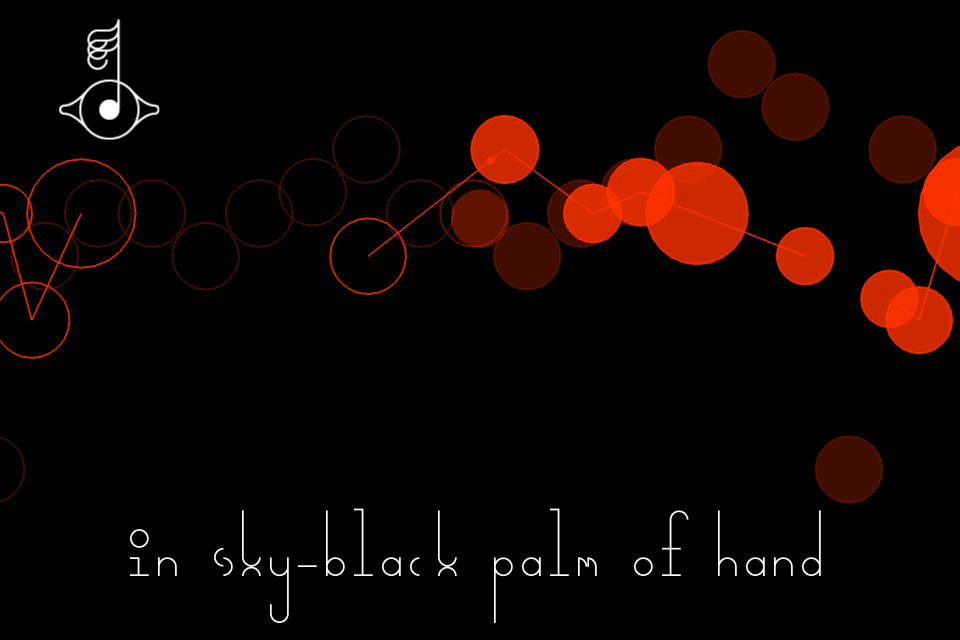
The following images are taken from the app-song. They are stills from an animation. The lyrics are at the bottom of the images. Read the lyrics of the song while it is playing.
Activity (AP Bio)
Write a brief essay, of about 500 words minimum, in which the song Solstice is reviewed. The following questions can serve as guidelines: What is counterpoint?; What is gravity?; How would you interpret the lyrics of the song?; How knowing about gravity and musical theory will be useful for a Biology course?
The essay will be handed in on October 18th. It will have a value of 50 points.
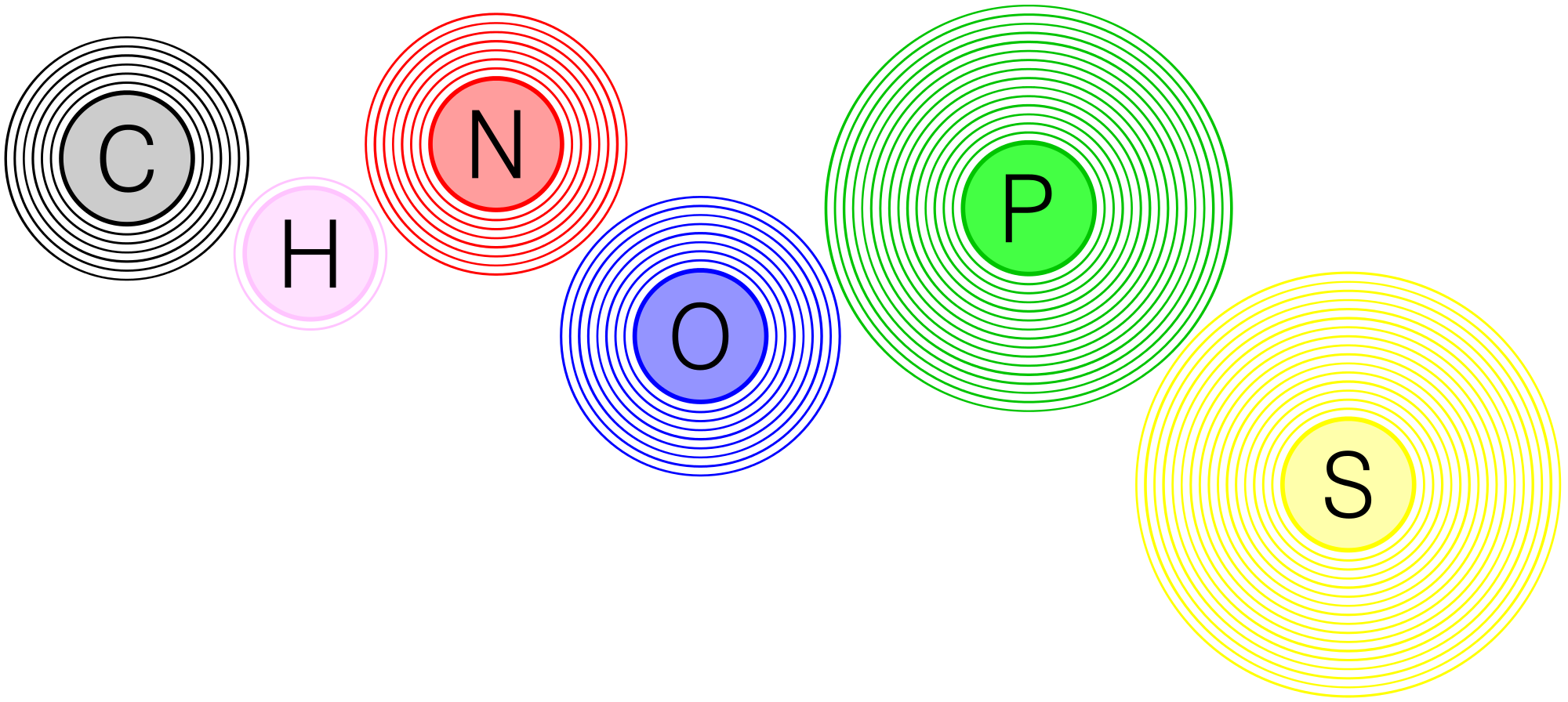
The title of this presentation is an acrostic that lists the six elements needed for life: Sulfur, Phosphorus, Oxygen, Nitrogen, Carbon and Hydrogen.
If you read it backwards, it also says “SPONCH.” Image via Wikipedia: “The relative atomic diameters of carbon, hydrogen, oxygen, nitrogen, phosphorus, and sulfur.”
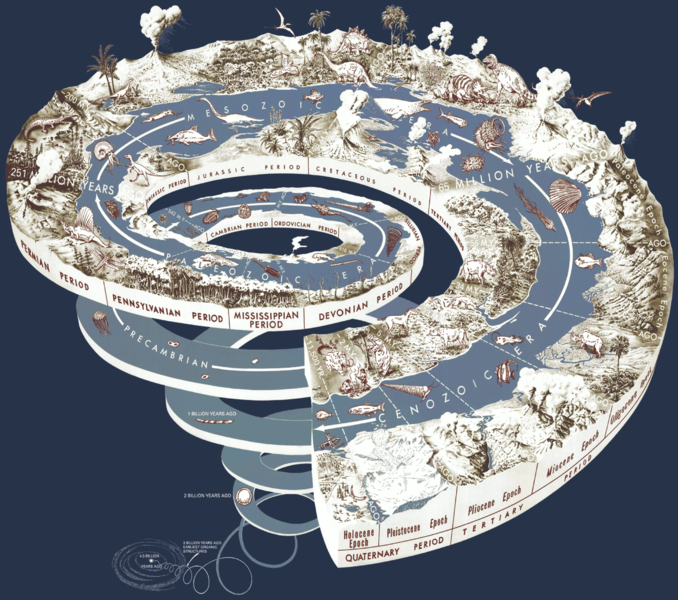
Life on this planet has a very old history. It has emerged from a primeval soup; cooked with the Sun for the last 4.6 billion years.
Where else do we see the spiral? A brief essay (150 words), about the pattern of the spiral in nature, can be accepted as a participation on the blog (10 points).
“Earth’s prebiotic oceans—different from their modern counterparts—would have formed a “hot dilute soup” in which organic compounds could have formed. J.D.Bernal, a pioneer in x-ray crystallography, called this idea biopoiesis or biopoesis, the process of living matter evolving from self-replicating but non living molecules,”
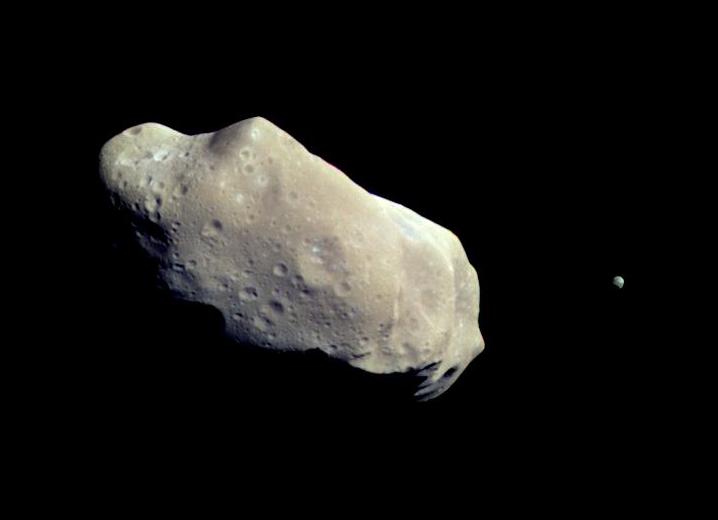
Ida and its Moon, Dactyl. Dactyl is the first satellite of an asteroid to be discovered.
Ancient oceans were very hot. And barren. No life. But they were huge cauldrons; with the proper conditions to cook with CHNOPS. 4.6 billions of years ago, amino-acids–building blocks of life–were emerging. But how these elements happen in the first place? The subject is a matter of heated debate in the modern scientific community, but recently NASA came across this interesting piece of data:
In March, 2009, researchers at NASA’s Goddard Space Flight Center in Greenbelt, Md., reported the discovery of an excess of the left-handed form of the amino acid isovaline in samples of meteorites that came from carbon-rich asteroids. This suggests that perhaps left-handed life got its start in space, where conditions in asteroids favored the creation of left-handed amino acids. Meteorite impacts could have supplied this material, enriched in left-handed molecules, to Earth. The bias toward left-handedness would have been perpetuated as this material was incorporated into emerging life.
Another elegant approach towards the origin of life, in an experiment 60 years old this year:
Asteroids could’ve brought amino acids. Hot, primordial, oceans boiled (remember the emergent properties of water); lightning storms cooked electric. Are we made out of star stuff? Where these elements the result of The Big Bang?
[Put on your headphones and Google—or better yet: retrieve from Youtube–the song Solstice (Current Value Remix for Seniors; original version for 10th grade). Listen to the song. Look for the lyrics. Write a short essay (100 words) on the song (10 point value; it can replace a blog participation).]
On this spinning rock, macromolecules have emerged. And they are strange: they can replicate. Information is carried in their chemistry—in their molecular arrangements—in their bonds—5-Carbon sugars.
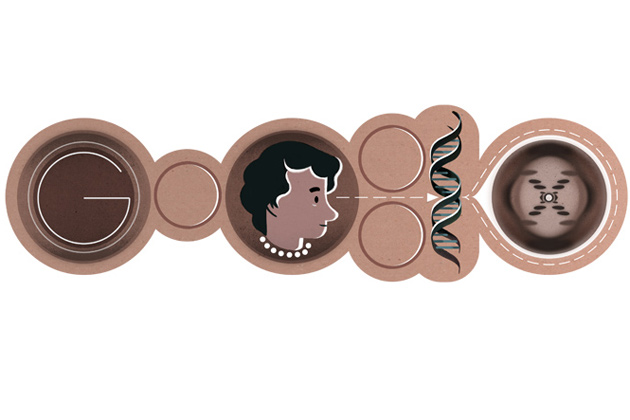
Google Doodle celebrating Rosalind Franklin’s 93rd Birthday
DNA replicates. It can be read, reread, edited, transcripted, mutated, sliced. All this happens because amino-acids—23 of them—combine in ways that make horns, hemoglobin, muscle tissue, etc.
Plants can do this in their cells; the same mechanics are embedded in our own DNA. Thanks to these remarkable properties–possible only through the chemical interactions between CHNNPS elements–plants pumped a very important element to the atmosphere; these elements ignite flames; they were believed to be phlogiston (the prefix “phlo” refers to flammable).
Oxygen is highly reactive as well, and it’s responsible for trillions of controlled explosions going on in our cells; right now.
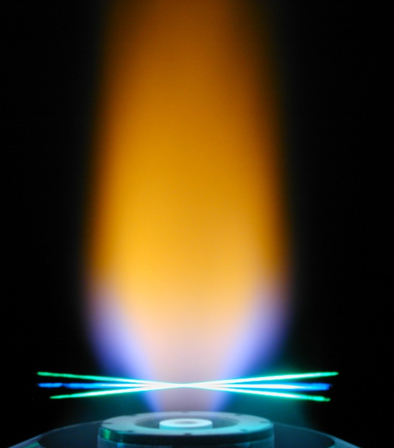
Oxy-fuel: an alternative combustible made by burning pure oxygen.
Oxygen–versatile element–makes fire possible, it makes Cellular Respiration possible.
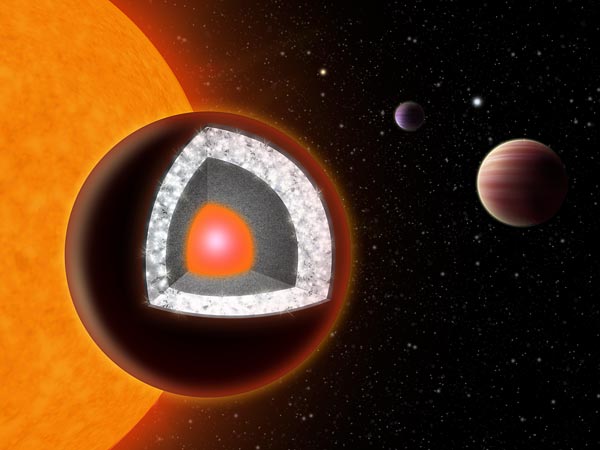
Another element famous for its versatility is Carbon. It can combine in its pure form in various ways, forming what we know as allotropes. These can be bucky balls–they travel through space–; graphite (your pencils are made of this); graphene; diamonds; even whole planets.
An illustration of 55 Cancri e shows a surface of mostly graphite surrounding a thick layer of diamond. Illustration courtesy Haven Giguere, Yale
A lot more can be said about the origin and nature of life. But this presentation aims to spark your curiosity about biochemistry, abiogenesis, and, to some extent, cosmology–we are part of the Cosmos.
This video is by science commentator and physicist, Neil Degrasse Tyson; a good coda–ending–to this blog post, which will be revisited– many times–during the school year:
This blog post is for both: 10H and AP Biology. The content of this presentation will be evaluated on future assessments—i.e. tests, quizzes, quizams, etc. Textbooks for this presentation are: Modern Biology, Campbell 7th through 9th, and Study Guide for Modern Biology.
1oH:
Unit I: The Foundations of Biology
Chapters 2 (Chemistry of Life) and 3 (Biochemistry)
The film presented on class, Nova: Hunting for Elements, can be used to review concepts discussed here.
Homework: Chapter 3 of your Study Guides for Tuesday 10th of September.
AP Bio:
Unit: Intro to Biology.
Chapters 3 (The Chemical Context of Life) and 4(Carbon and The Molecular Diversity of Life).
Labs I (Bonds and models) and II (Emergent Properties of Water) are important for the discussion of this presentation. Concepts 3.1, 3.2, and 4.1 are aligned with this blog post.
Homework: One participation—comments, replies, etc.—on this blog post. (Refer to the rubric given by the teacher on how to comment).
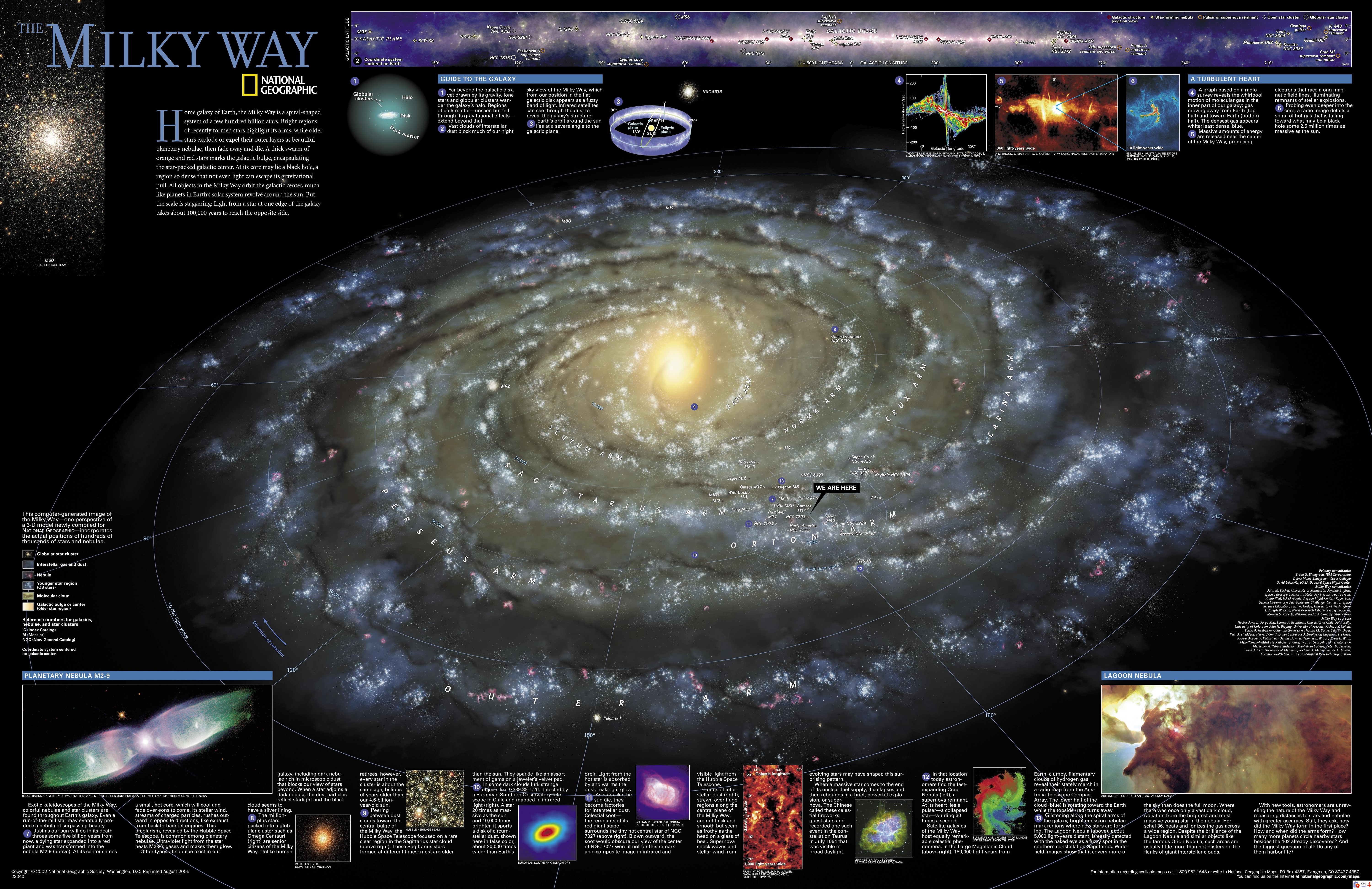
A few days ago in class, we took a brief hiatus from the topic of the classification of organisms to discuss very important facts about nature; specifically in the field of cosmology. I do not remember exactly how, but the following questions arose: How big is the universe? What is a galaxy? Are we living in a galaxy?, etc. None of these questions are dumb. They are very important when understanding the nature of science, because one of the most important themes in science–especially in what is understood as philosophy of science–is where we are located in the vastness of the universe. How big or how small we are in relationship with the infinitely big–or infinitely small–universe. The following image can give us an idea about how big is the galaxy we live in: The Milky Way (click the image to see its full size):
Hundreds of millions of stars are contained in The Milky Way.
The following link takes us to a website that uses infographics to explain every type of subject. It is from Numbers Sleuth. A very cool infographic shows us how infinitely big and how infinitely small is the universe. It uses very important tools in science: measurements and comparisons. You can check it out for yourselves. And I encourage you to Magnify the Universe:
The discovery of a new mammal is a rare and exciting event in Biology.
This racoon-like mammal–the first carnivore to be discovered in the last 35 years–was discovered not in the wild, but thanks to a collection of South American racoon specimens that is available at the Smithsonian.
“D.C., Kristofer Helgen, curator of mammals at the Smithsonian National Museum of Natural History, presented anatomical and DNA evidence that establish the olinguito (pronounced oh-lin-GHEE-toe) as a living species distinct from other known olingos.”
“Though Helgen has uncovered dozens of unknown mammal species during previous expeditions, in this case, he did not set out to find a new species. Rather, he sought to fully describe the known olingos. But when he began his study in 2003, examining preserved museum specimens, he realized how little scientists knew about olingo diversity. “At the Chicago Field Museum, I pulled out a drawer, and there were these stunning, reddish-brown long-furred skins,” he said. “They stopped me in my tracks—they weren’t like any olingo that had been seen or described anywhere.” The known species of olingo have short, gray fur. Analyzing the teeth and general anatomy of the associated skulls further hinted that the samples might represent a new species. Helgen continued his project with a new goal: Meticulously cataloguing and examining the world’s olingo specimens to determine whether samples from a different species might be hidden among them.”–Via The Smithsonian.com.
This is the first blog post of many. AP Bio students, as well as my High School Bio class, will make use of this blog during the whole school year. I began working with this blog last January–with very good results. Students like yourselves were exposed to many events, articles, web pages, videos, images, etc., that show Biology in a contemporary light: Biology as part of an everchanging world. These changes are spurred by scientific and technical advances that gave rise to the Internet. And the basic unit of the Internet–like a neuron in a brain–is the hyperlink.
The name of the blog is The Hypertextual Lounge. That means that hyperlinks and their contents are important. There is general information about the blog in the upper right part of the first page; but if you wish to know a bit more about what was achieved with the blog, or about what to expect from it, you can visit the blog Puerto Rico Indie—in this link–so that you can get a better idea of this space.
Expect new blog posts weekly. This means that you have to keep up with the new content that will be uploaded to the blog. More details regarding grading rubrics, instructions, etc., will be explained in the classroom, and uploaded to the Edline page of the course.


















 The Hypertextual Lounge

You must be logged in to post a comment.